IT之家 · 智能时代 · 10/22/2026, 09:57:30
Tesla Starts Optimus Production; Musk Targets 20k Weekly Units in a Year
Tesla has initiated early production of the Optimus humanoid robot at its Fremont factory, marking the first units to meet commercial standards. Elon Musk stated that reaching a target capacity of 20,000 units per week will take at least one year due to technical hurdles in robotic hands and supply chain constraints. External sales are expected by late 2027 after resolving reliability issues, with initial deployments focused on industrial hazardous tasks.
SOURCE COVERAGEFull Original Report
On October 22, Tesla’s Q3 2026 earnings report revealed that the company has begun production of its Optimus humanoid robot on a high-volume assembly line at the Fremont factory. However, CEO Elon Musk stated that it will take approximately one year or longer for this line to reach the target capacity of 20,000 robots per week.
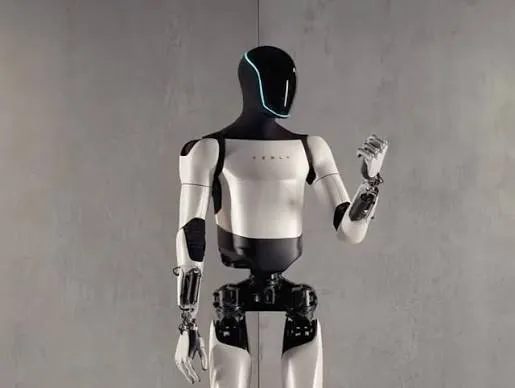
In its Q3 2026 Business Update, Tesla noted that the batch of robots rolling off the Fremont line represents the first Optimus units meeting mass-production standards, with current manufacturing processes now capable of supporting commercial product fabrication.
Tesla dismantled the former Model S and Model X production lines at the Fremont factory in just 46 days to make room for Optimus manufacturing.
Recently, Musk acknowledged that the Optimus project still faces significant challenges, including technical hurdles related to robotic hands and restrictions on the supply of rare-earth magnets from China.
During Wednesday’s earnings call, Musk said Tesla had “started what I would call early production on the high-volume line in Fremont,” adding that “most of the equipment” for this million-unit-scale line is already in place.
“I expect it will take us at least a year, perhaps slightly longer, to achieve an annualized run rate of 20,000 units per week,” Musk stated. He mentioned that roughly 10,000 details need to be fully debugged. Since Optimus is a “disruptive new product,” the initial phase of ramping up production has been slow and fraught with obstacles.
IT Home noted that Musk also explained Tesla plans to integrate the Tesla AI5 chip into the Optimus robot, with this work expected to be completed by April next year if everything goes smoothly. The AI5 chip offers significantly higher computing power than the AI4, though Tesla has reduced the memory configuration of the AI5 specifically for Optimus use cases.
Musk estimates that Tesla will likely resolve remaining issues regarding design, reliability, and lifespan for the robot by the end of 2027, at which point external sales of Optimus will begin. He indicated that early applications for the robot will focus on industrial scenarios, particularly hazardous, repetitive tasks requiring 24/7 execution.
Musk added that before then, Tesla intends to release a video demonstrating Optimus performing tasks not pre-programmed, with such footage expected within the next one to two months.
“I still firmly believe that Optimus will become the largest product in the world,” Musk said. With production underway at the Fremont factory and a second Optimus facility under construction in Texas, Tesla’s next challenge is proving it can mass-produce stable and reliable humanoid robots at scale.