SpaceX Plans $74 Billion AI Data Center Campuses in Two States
SpaceX announced plans to invest over $74 billion in two AI-focused hyperscale data center campuses in Texas and Arizona, extending its business beyond rockets and satellite internet into AI compute infrastructure. The Starbase, Texas site exceeds $24 billion with self-built gas power generation, while the roughly $50 billion Arizona project still awaits county approval amid a petition signed by about 2,400 opponents.
Full Report
IT之家 November 13 news: SpaceX, the company owned by the world's richest person Elon Musk, announced yesterday (November 12) that it plans to invest more than $74 billion (IT之家 note: approximately 494.749 billion yuan at current exchange rates) in Texas and Arizona, to build two supercomputing data center campuses for artificial intelligence, marking the rocket company's accelerating expansion into AI computing infrastructure.
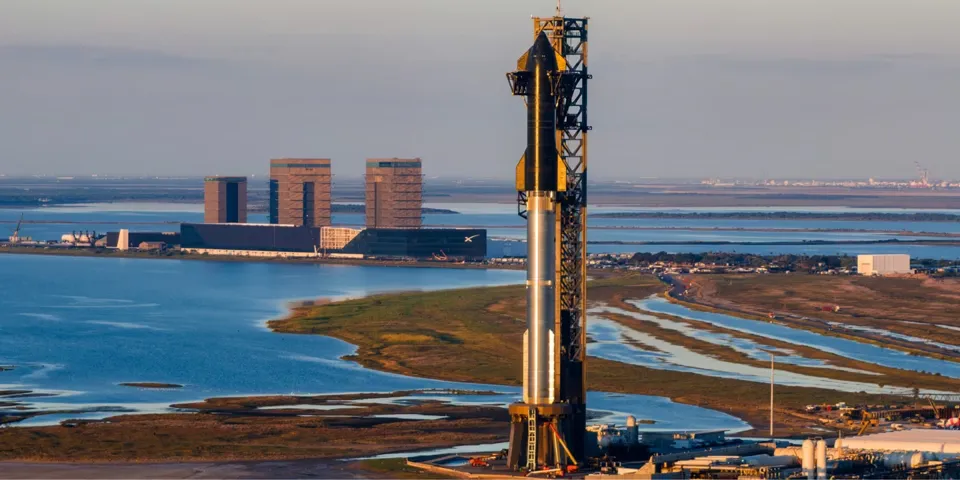
According to the announcement, SpaceX plans to invest more than $24 billion to build a supercomputing facility near Starbase, Texas, to be constructed on approximately 444 acres of SpaceX-owned land, for training frontier artificial intelligence models. SpaceX stated that the facility will have its own gas-fired power generation capacity and will not rely on the public power grid; the project has already created more than 3,000 construction jobs and is expected to support more than 500 long-term positions once completed.
The other project is located in Cochise County, Arizona, with a campus investment of approximately $50 billion (approximately 334.29 billion yuan at current exchange rates), which still requires approval from Cochise County. SpaceX said the campus is expected to bring about 5,500 construction jobs and 1,000 permanent positions, and will partner with the local electric cooperative to upgrade the regional power grid, potentially reducing electricity bills for some members by up to 20%. The company also stated that the campus plans to use dry cooling and will not use industrial groundwater.
Reuters interprets this as SpaceX further extending its business focus from rocket launches and satellite internet to the ultra-large-scale computing power required for AI training. However, the Arizona project faces pressure from local approvals and community opposition, with approximately 2,400 people having signed a petition against the permit, and a county hearing scheduled for December.