Khosla Calls Open-Source Models Costlier and Riskier, Urges US-China Safety Treaty
In a WSJ interview, investor Vinod Khosla argued that open-source models are far more expensive to run and more dangerous than closed-source ones, since closed vendors can monitor misuse while open weights can run anywhere. He proposed a US-China treaty to constrain open-source model capabilities and running open models only on certified clouds.
Related Entities
Full Report
Rohan Paul (@rohanpaul_ai) · 2026-11-05 11
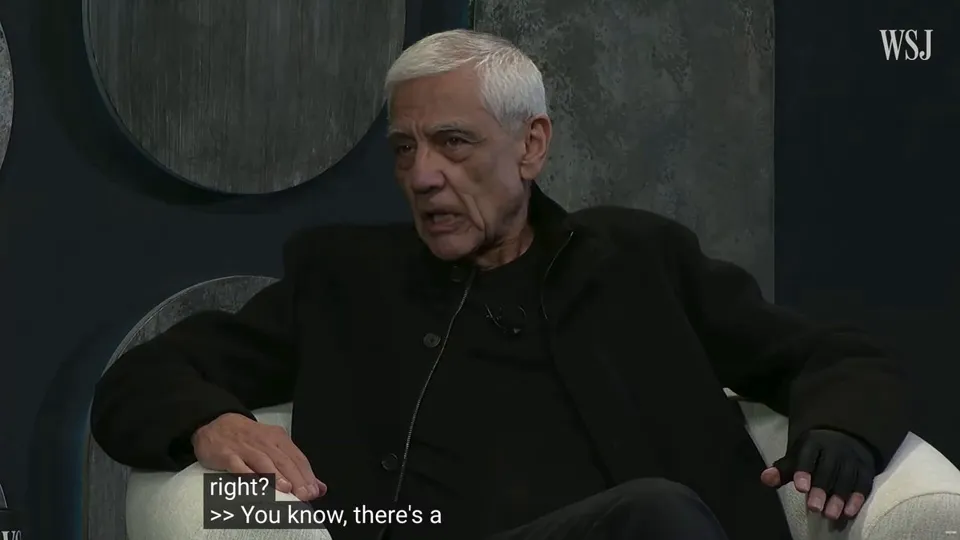
Vinod Khosla on open source models on his new interview with WSJ
"There’s a lot of misperceptions about open source.
Open source is way too expensive to run compared to closed source models. Open source is way more dangerous than closed source.
In fact, it’s the one area I’ve recommended to David Sacks and the White House generally to do a treaty with China. You can’t trust China, but it’s one area where constraining open source to not be able to do wild things, like design another bad virus, is in the mutual interest of both the US and China.
I think because it’s in both parties’ interest to not have models go wild in what they can do in the hands of individuals. This is not just a nation state thing. An individual at home could design a bad virus and release it. And so, it’s in both parties’ interest to not have that happen. In open source, it’s very easy to do.
In closed source, you know, OpenAI, Anthropic, Google know what’s going on, what people are using their models for. So you try and do something bad with their models, they know. Open source, you can run anywhere. So there’s no way to prevent the safety and harnessing to be kept in place.
So if you constrain where open source runs, on certified clouds where, you know, they can’t be used for certain bad purposes, that can be done both in the US and China and everywhere else.
Full video on "WSJ Events" YouTube channel, (link in comment)