Sega Bans AI from Creative Game Design, Limits Use to Efficiency and Compliance
Sega executives confirmed that while the company actively uses AI for efficiency in publishing and management, it maintains a strictly cautious stance on game development, explicitly banning AI from creative roles. To manage this, Sega established a Generative AI Committee responsible for tool development, usage guidelines, and compliance reviews of Steam store pages.
Related Entities
Full Report
October 8 — Sega has explicitly stated that it will not assign creative game design tasks to AI, adopting a "very cautious" approach to the use of AI in game development.
On October 6 (local time), Tsuyoshi Saito, Sega’s Senior Executive Officer and Deputy Chief Commercial Officer, told Nikkei that while the company actively applies AI to certain business areas, it remains highly cautious about expanding its usage. “We leverage AI to improve efficiency in departments such as game publishing and corporate management, and we also use it for brainstorming business strategies. However, we are very careful when using AI during game development; we do not entrust creative work to AI.”
Sega previously established a "Generative AI Committee" responsible for developing tools, formulating usage guidelines, and reviewing Steam store pages for compliance. The existence of this committee was first disclosed last year during a presentation at the Computer Entertainment Developers Conference (CEDEC).
According to Japanese gaming outlet 4Gamer, given the varying global perspectives on generative AI, the committee includes representatives from Sega’s regional public relations and legal departments to oversee its operations.
It is worth noting that Sega’s earlier confirmation of using AI in some game development projects sparked mixed reactions.
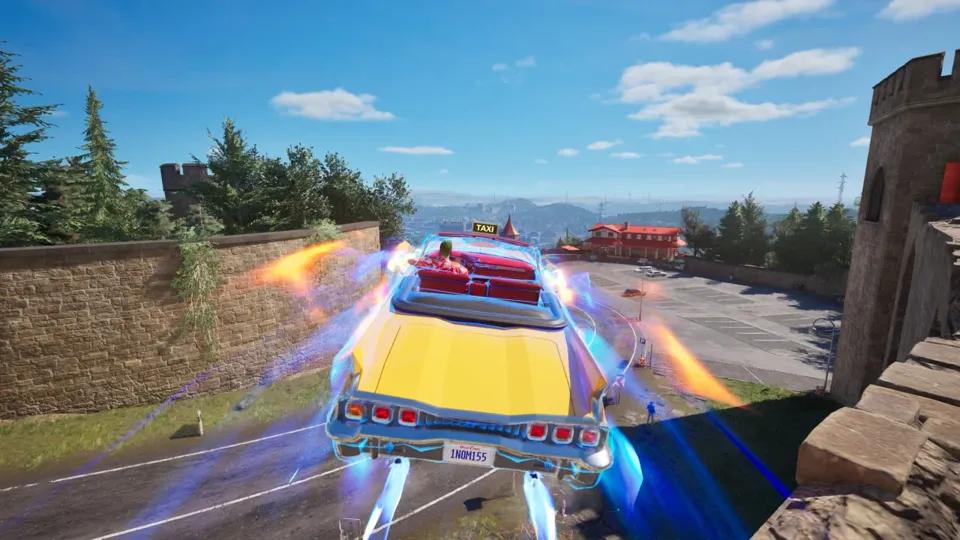
As reported by IT Home, earlier this year, Sega confirmed that generative AI was used during the initial research phase of the unreleased game Crazy Taxi: City Rush. However, no AI was involved in the actual production of the game’s art assets.
Also earlier this year, the development team behind the MMORPG Phantasy Star Online 2: New Genesis confirmed that AI was used not only to enhance development efficiency but also for in-game dialogue features, allowing players to receive real-time AI responses to their messages.
The use of AI-generated content remains controversial in many parts of the world, with governments, artists, and companies still debating how best to address these issues. In Japan, however, the government announced in 2023 that training AI models using datasets does not violate copyright law, even for commercial purposes.