Two Million Canary Requests Expose Leaks Across AI Supply Chain
Dragos chief research officer HD Moore sent nearly two million canary-token requests to multiple AI providers and found at least three were breached, with attackers using stolen keys to make tens of thousands of cloud API calls. The study also shows reseller chains leaking data, with private URLs from requests marked zero data retention still being scraped days later.
Full Report
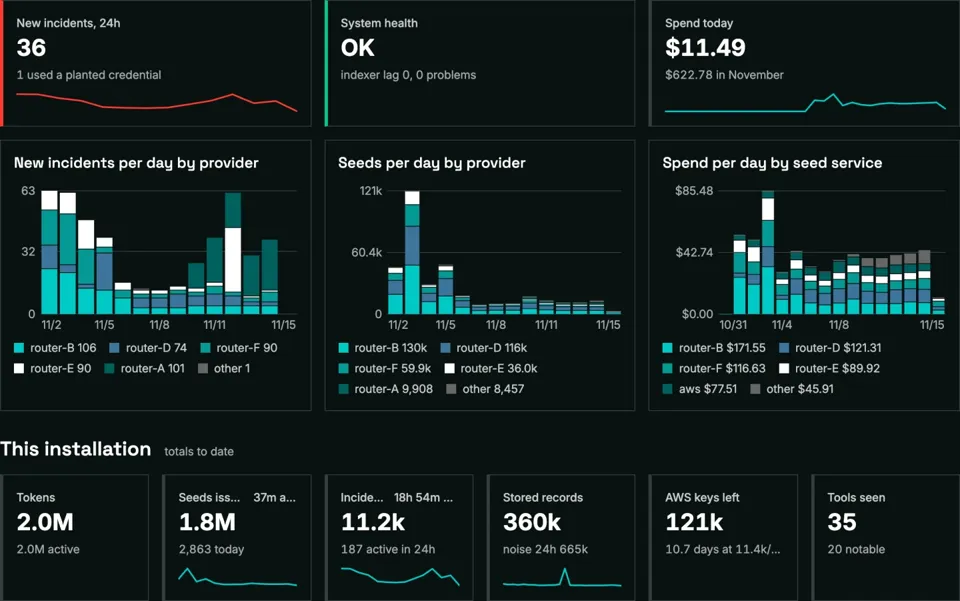
IT之家 November 21 news, the tech media outlet Ars Technica published a blog post today (November 21), reporting that HD Moore, Chief Research Officer at the security company Dragos, sent nearly 2 million requests containing traceable "bait" to multiple AI service providers, and found that the AI service chain has problems such as hackers stealing prompts, resellers leaking data, and failure to comply with privacy settings.
The researchers deliberately sent a batch of traceable "test secrets" (not collected from real user channels) to AI, and then observed whether any other programs or people used them to access systems afterward, thereby determining whether the data had leaked and which part of the service chain it might have leaked from.
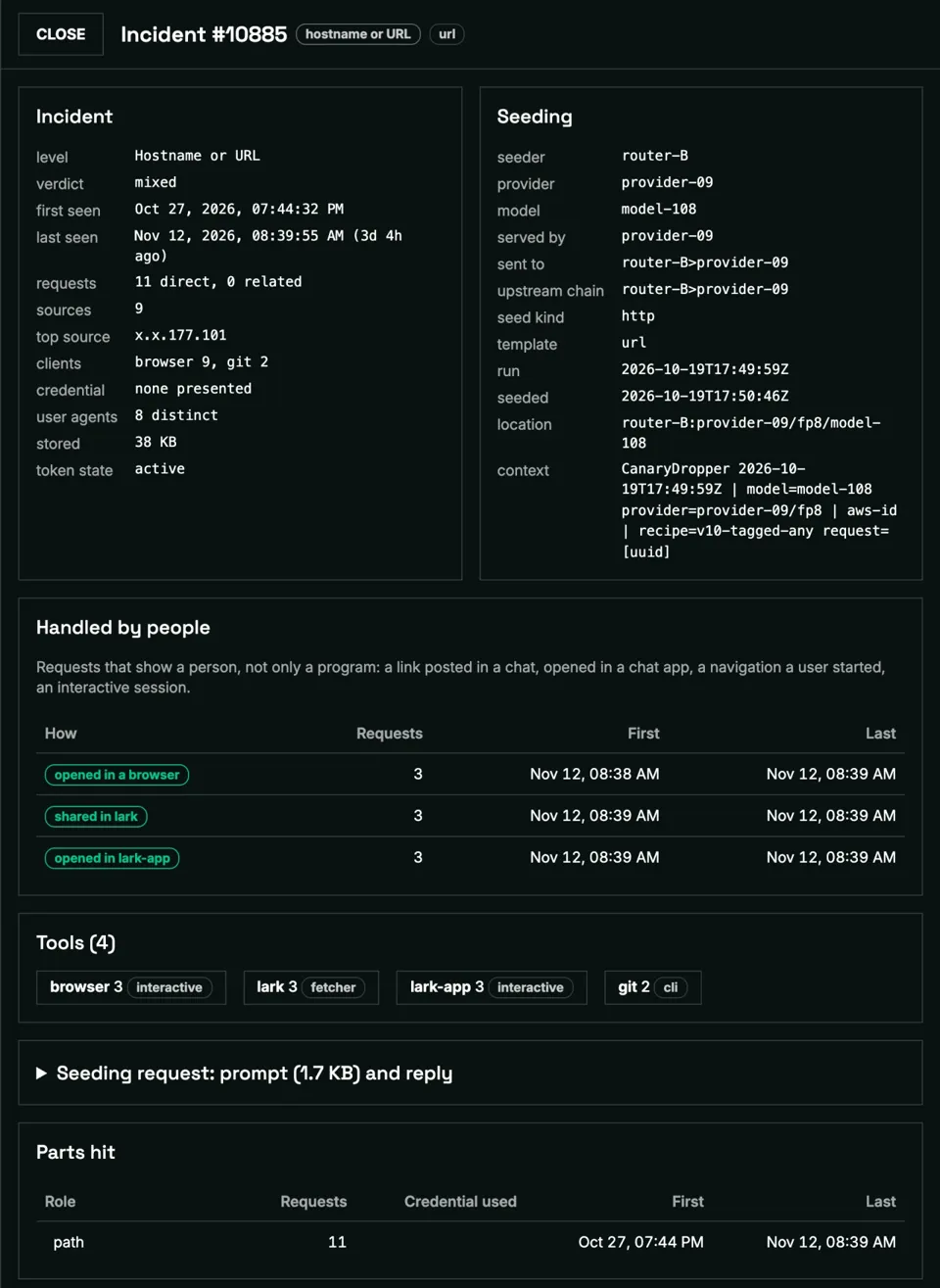
The investigation found signs of compromise at at least three service providers. Attackers used the stolen bait keys to launch tens of thousands of cloud service API calls, attempting to find more credentials, activate services, and maintain access. Some keys were used within hours after submission, and in some cases requests were even rejected before the model ran, yet the keys in them were still stolen.
Risk also comes from the multi-layered service chain. Many AI applications distribute requests through intermediaries, and content may pass through multiple platforms and be decrypted and processed at each stage. The research also found that some resellers recorded and transmitted requests externally; for some requests marked "zero data retention" or "no data collection," their private URLs were still crawled several days later.
Moore suggested that sensitive businesses may consider local deployment; users who cannot build their own should try to choose trusted service providers directly and clearly specify the upstream provider.
IT之家 attaches the reference address
Advertising statement: External redirect links contained in the article (including but not limited to hyperlinks, QR codes, passwords, and other forms) are used to convey more information and save selection time. The results are for reference only. All articles on IT之家 that contain external links include this statement.