Google Launches Cheminformatics Skills for Antigravity AI Agent to Accelerate Drug Discovery
Google DeepMind has introduced 'Cheminformatics Skills' to Google Antigravity, combining LLM reasoning with deterministic tools like RDKit for literature retrieval, molecular analysis, and design. Demos show the AI agent can screen thousands of compounds in about an hour, compressing workflows that previously took days. The feature is now available to enterprise users, with plans to offer free access to eligible scientists.
Full Report
IT Home reported on November 4 that the Google DeepMind team published a blog post yesterday (November 3), announcing the launch of "Cheminformatics Skills" for Google Antigravity. These skills help researchers accelerate tasks in drug discovery, including literature retrieval, molecular analysis, model building, and novel molecule design.
Citing the blog post, IT Home noted that in a demonstration using lung cancer drugs as an example, AI agents could retrieve thousands of compounds, perform matched molecular pair analyses, and propose novel rigid macrocyclic molecules with synthetic routes within approximately one hour—a process that previously often took days.
The tool combines the planning, retrieval, and scientific reasoning capabilities of large language models with deterministic cheminformatics tools such as RDKit, while integrating public chemical databases like ChEMBL and PubChem.
The system can identify the same molecule across papers, patents, and product catalogs, regardless of whether it is represented by IUPAC names, Markush structures, or SDF files. This reduces the time researchers spend on data cleaning and format conversion.
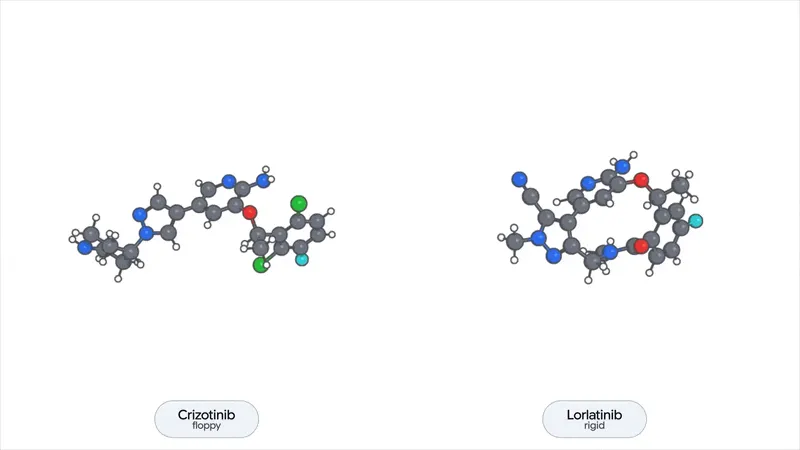
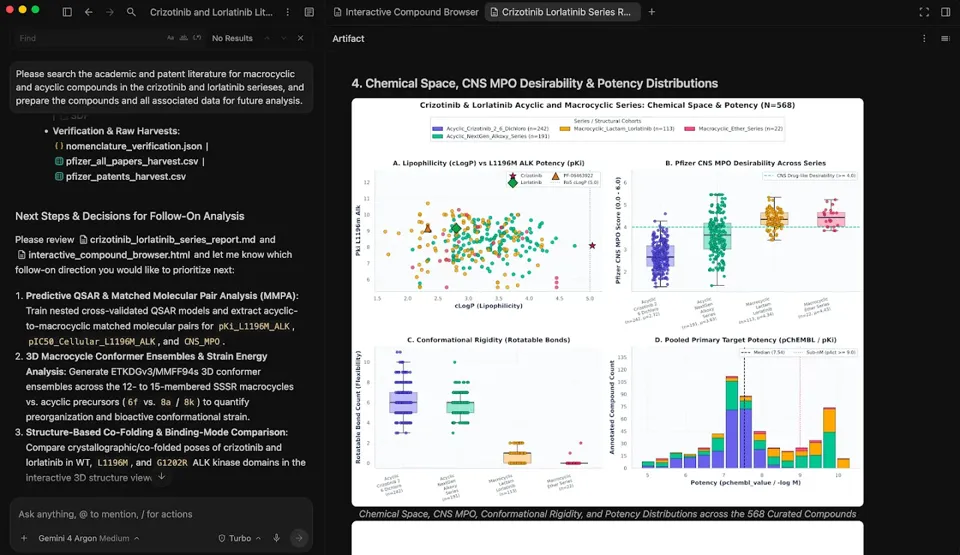
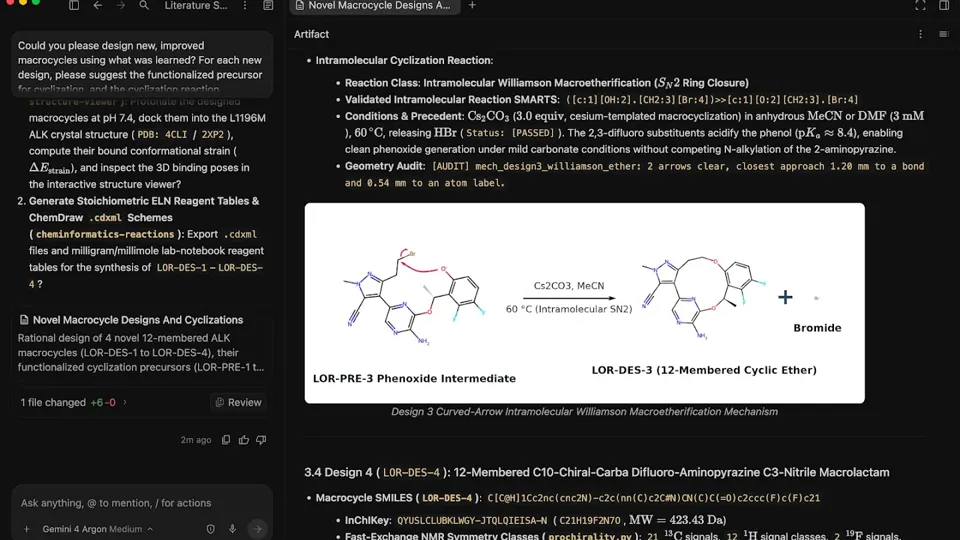
In the demonstration, the AI focused its analysis on two types of lung cancer targeted therapies: crizotinib and lorlatinib. It retrieved and organized 568 compounds, identified correlations between "molecular rigidity" and improved efficacy, trained a potency prediction model, and designed several potentially superior macrocyclic compounds, providing reaction mechanisms and synthesis recommendations along the way.
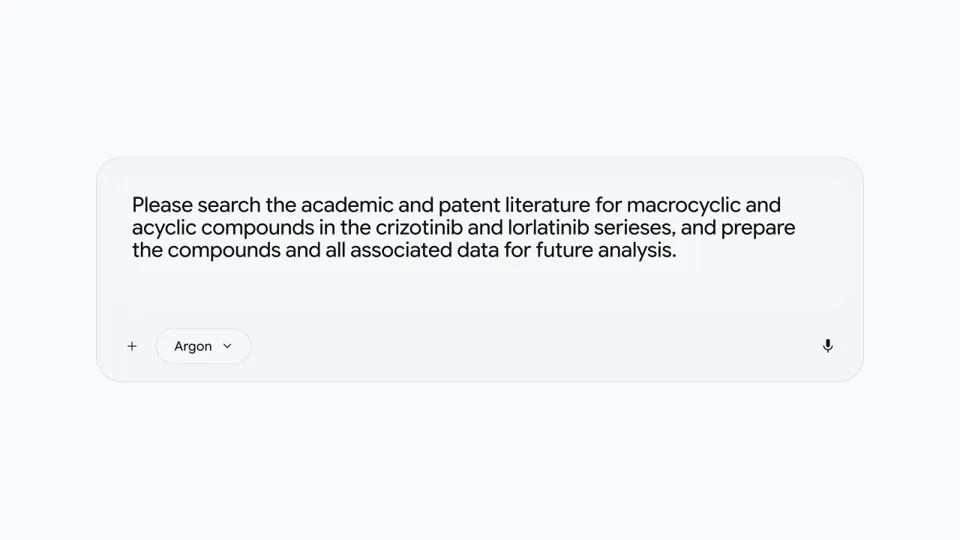
Google emphasized that the AI generates "testable research hypotheses," not finished drugs. Due to sparse data, inter-laboratory assay variability, and dynamic range limitations, all candidate molecules must still undergo synthesis and experimental validation.
This feature is currently available to Google Antigravity users, with enterprise users able to access it via their Google Cloud accounts. Google also plans to offer six months of free access to the highest usage tier for up to 10,000 eligible scientists.