Nvidia CEO Jensen Huang's Departure Triggers Selloff in Japanese AI Stocks
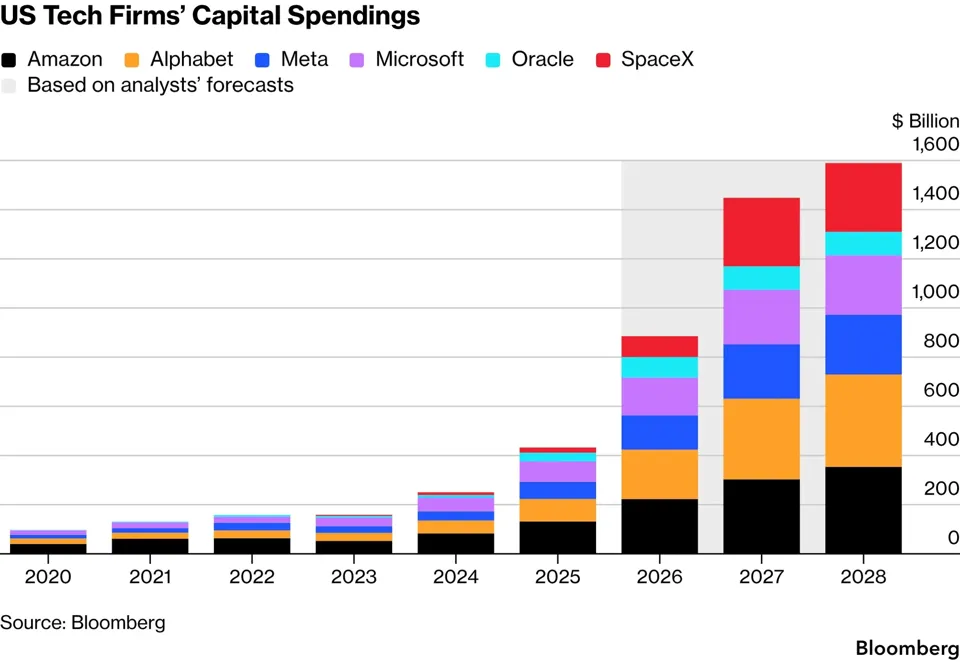
Bloomberg reports that Jensen Huang's abrupt departure as Nvidia CEO has triggered a fresh global selloff in AI-linked equities, with Japanese chip and semiconductor equipment names hit hardest as Kioxia and Advantest each fell more than 9%. Market sentiment is shifting from an 'AI premium' to an 'AI discount' amid a triple blow of earnings concerns and tighter regulation expectations, even as capex at six major US tech firms is projected to grow 64% next year, suggesting AI infrastructure demand has not yet clearly peaked.
Related Entities
Full Report
IT之家 November 19 news, Bloomberg today (November 19) published a blog post reporting that NVIDIA management changes and the sudden departure of founder Jensen Huang are triggering a new round of selling in global AI concept stocks, with related Japanese stocks bearing the brunt.
Bloomberg noted that the market sentiment in Japanese stocks has shifted from an "AI premium" to an "AI discount," as investors re-examine Japanese chip, semiconductor equipment, and AI infrastructure companies, with focus turning to whether future earnings can be realized.
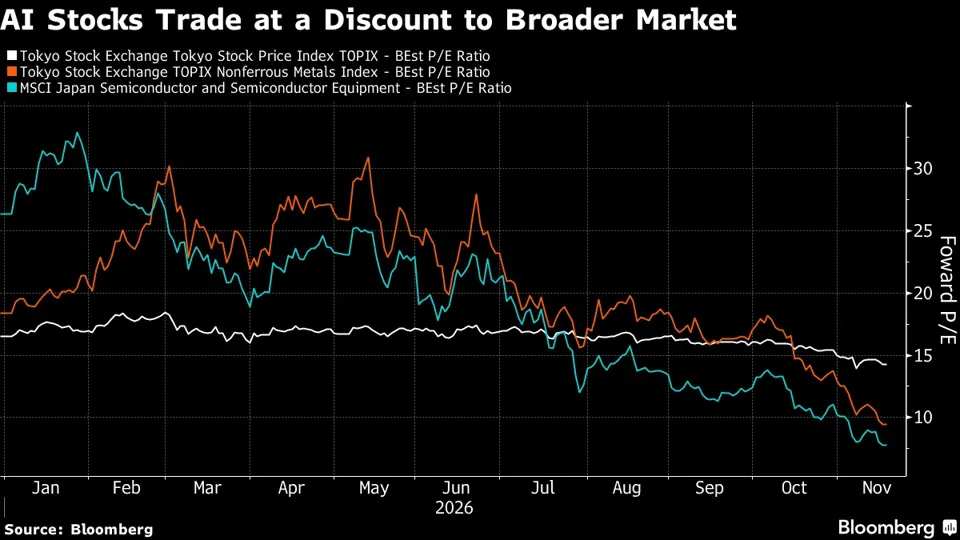
Since Jensen Huang's resignation, shares of Japanese memory chip maker Kioxia and semiconductor test equipment company Advantest have both fallen more than 9% cumulatively, significantly underperforming the TOPIX's roughly 2.9% decline.
Analysts summarized the current situation as a "triple blow": concerns over deteriorating profitability of AI companies, expectations of tighter regulation after the U.S. midterm elections, and the hit to industry confidence from NVIDIA's leadership turmoil.
Yoshitaka Suda, senior cross-asset strategist at Nomura Singapore, believes investors may no longer be willing to pay a premium for the AI label and instead will demand an "AI discount." Masaaki Tomiaki, executive fund manager at Mitsubishi UFJ Asset Management, also said some large AI stocks remain at high valuations and could continue to face selling if earnings expectations are revised downward.
However, Bloomberg-compiled data shows that six major U.S. technology companies are expected to spend $885 billion in capital expenditure this year (IT之家 note: approximately 5.91 trillion yuan at current exchange rates), and may grow another 64% next year to $1.45 trillion (approximately 9.69 trillion yuan at current exchange rates), indicating that demand for AI infrastructure has not yet shown a clear inflection point.