Alibaba CEO Warns China Faces Severe Compute Shortage in 2027 and 2028
Alibaba CEO Eddie Wu said on the quarterly earnings call that 2027 and 2028 will be the tightest years for China's compute supply. Alibaba Cloud will then rely mainly on its in-house T-Head chips plus other domestic chips for inference, while flagship chips prioritize LLM training. Qwen's next-generation model is already training on T-Head silicon, and the Bailian platform serves inference on domestic chips.
Related Entities
Full Report
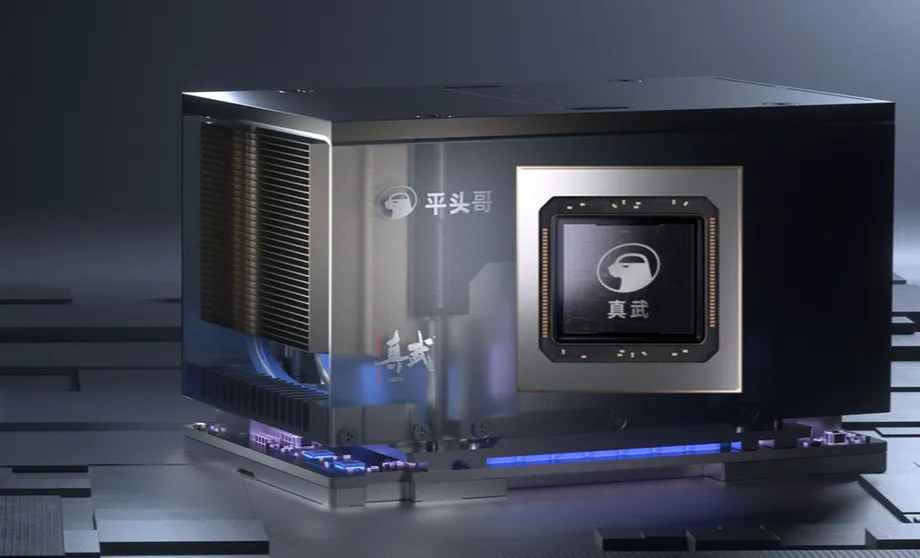
IT之家 November 19 news, according to a report by Jiemian News today, at the analyst call for the second quarter of fiscal year 2027 earnings, Alibaba Group CEO Wu Yongming stated that 2027 and 2028 will be the two years with the most severe computing power shortage in China. After 2027, Alibaba Cloud's chip supply will be primarily domestic T-Head chips, while it will also purchase other domestic chips to support internal inference demand.
Wu Yongming mentioned that Alibaba's flagship chips will be prioritized for large model training to ensure model iteration. On this basis, it will also consider the needs of partners' customers, and at the inference level, Alibaba will try to purchase more different chips, including domestic chips from other brands.
According to an earlier report by IT之家 today, Wu Yongming stated that Qwen has already been training its next-generation model on T-Head chips, and Bailian has already been providing model inference services based on domestic chips. He emphasized that Alibaba's full-stack AI infrastructure will form a clear advantage in the domestic computing power supply chain, and the deep synergy between self-developed chips and self-developed models will continue to translate into better cost per unit of computing power and higher AI application development efficiency.