ByteDance Releases Seedream 5.5 with Native Transparent Background Output
ByteDance has released Seedream 5.5, a next-generation image creation model whose headline capability is direct output of transparent or semi-transparent images with an Alpha channel, with fine handling of contour edges and transparent regions that removes the need for post-hoc matting and edge cleanup. Generated elements can thus enter downstream design workflows as standalone assets, and a single image can be revised over a hundred times.
Related Entities
Full Report
IT之家 November 9 news: ByteDance's Seed team today released its next-generation image creation model Seedream 5.5, highlighting three core capability upgrades:
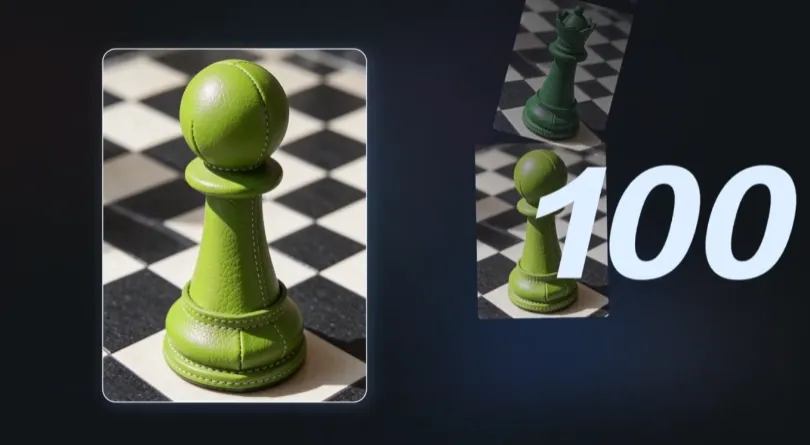
- More stable multi-turn editing: Achieves pixel-level preservation of non-edited regions, eliminates color shifts, reduces detail loss and image quality degradation during continuous modifications, and supports up to 100 rounds of sustained creation around the same artwork.
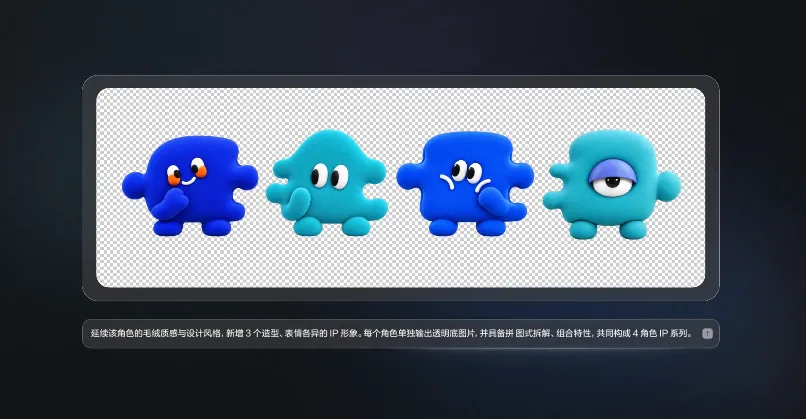
- Native RGBA transparent asset generation: Directly outputs transparent or semi-transparent images with an Alpha channel, finely handles contour edges and transparent regions, eliminates the need for post-processing cutout and edge refinement, and allows generated elements to enter subsequent design workflows as independent assets.


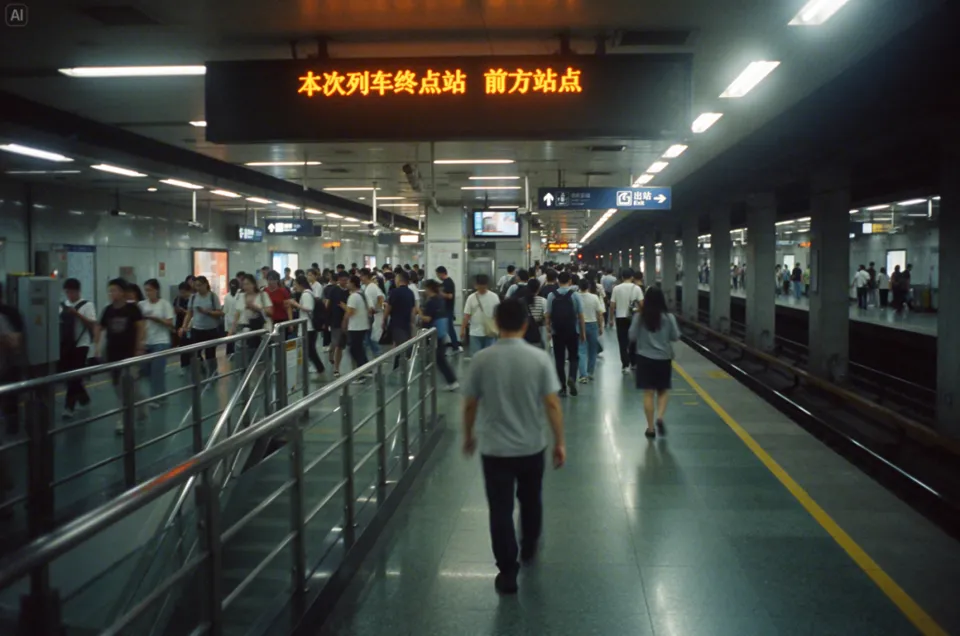
- More natural texture, clearer text: Further improves lighting, material, and skin texture rendering, reduces excessive glossiness and overexposure, and brings the imaging quality closer to real photography. At the same time, it significantly enhances text rendering capability, reproducing complex glyphs and dense small text more accurately.



In multi-turn image editing, Seedream 5.5 has stronger instruction-following capability and achieves pixel-level preservation of non-edited regions. In actual tests, the model used the result of each round as the input for the next round. After more than one hundred consecutive rounds of modification, the subject features, composition proportions, and lighting style outside the specified editing regions remained consistent.

▲ After 100 rounds of modification, pixel-level preservation is achieved in non-edited regions
To evaluate the model's performance in production-level creation scenarios, the team conducted specialized tests across six categories: e-commerce, marketing, film and television, gaming, office, and fashion design. The evaluation was carried out on the MagicArena platform, with senior evaluation experts in the image generation field scoring generation quality and usability.
Compared with Seedream 5.0 Pro, Seedream 5.5 showed improvements in both generation quality scores and usability rates across the six scenarios above. Among them, the usability rates in the film and television and office scenarios both reached more than twice those of the previous version.
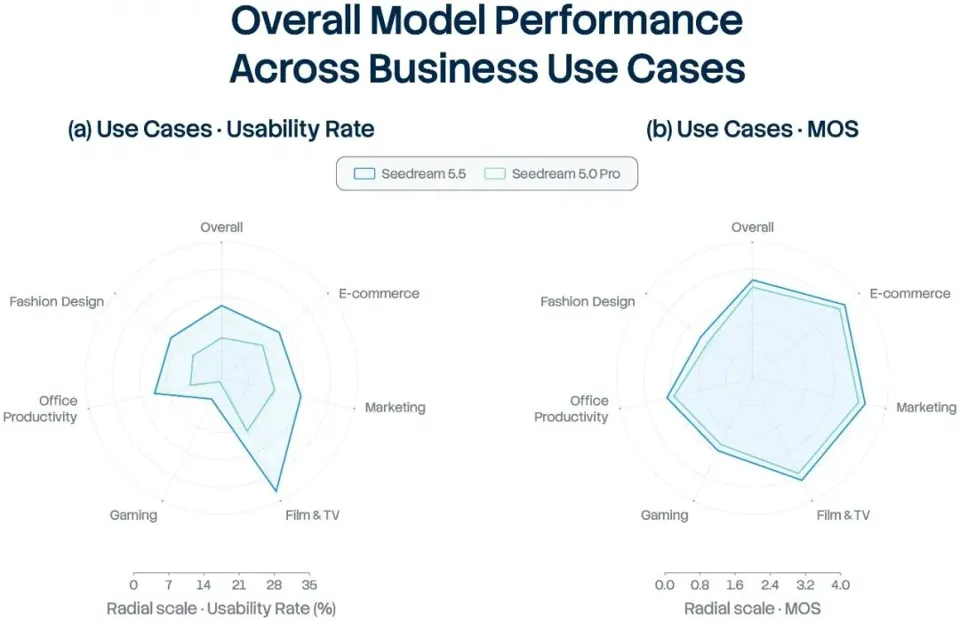
Seedream 5.5's performance in different production scenarios. The left side shows usability rate, and the right side shows mean opinion score (MOS)
The two specialized evaluations for text structure and realism both involved evaluation experts making preference comparisons on generated results, scored using GSB (Good / Same / Bad), covering both text-to-image and image-to-image tasks.
Compared with the previous generation, Seedream 5.5 showed positive preference in all four comparisons across the two dimensions and two task types, with the GSB for realism in image-to-image reaching +55.62%. Compared with mainstream models such as GPT Image 2.5 Sunburst and Nano Banana 2.1, it leads in text structure and text-to-image realism.
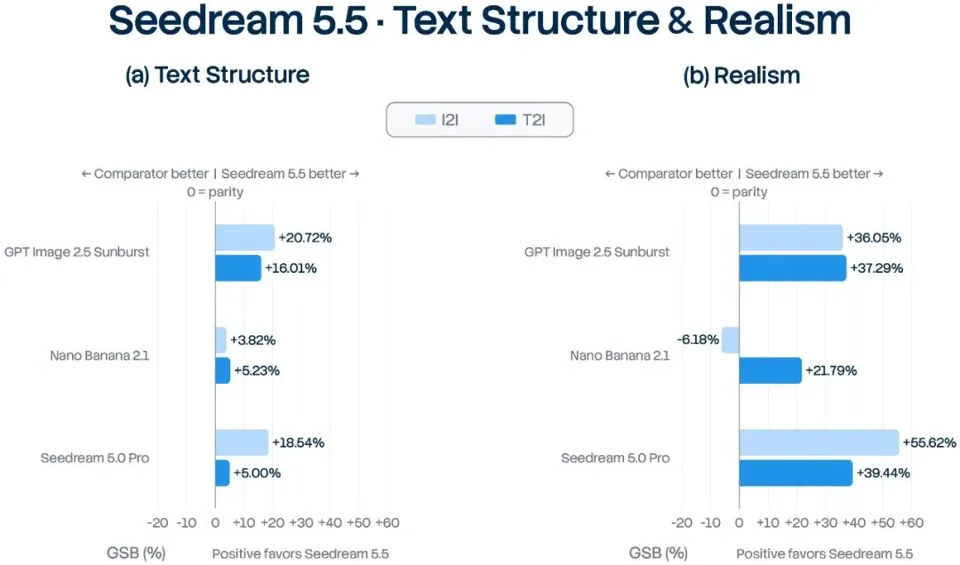
Specialized evaluation of text structure and realism, showing Seedream 5.5's relative GSB scores on text-to-image and image-to-image tasks respectively
The progress in text rendering is also reflected in a lower text corruption rate — that is, the proportion of generated images containing incorrect characters, missing characters, or disordered structure. In evaluations covering Chinese and English as well as dense small text, Seedream 5.5's severe text corruption rate dropped to 0.4%, and its minor text corruption rate dropped to 1.7%. Both metrics are significantly better than the previous version and are also leading in horizontal comparisons with mainstream industry models.
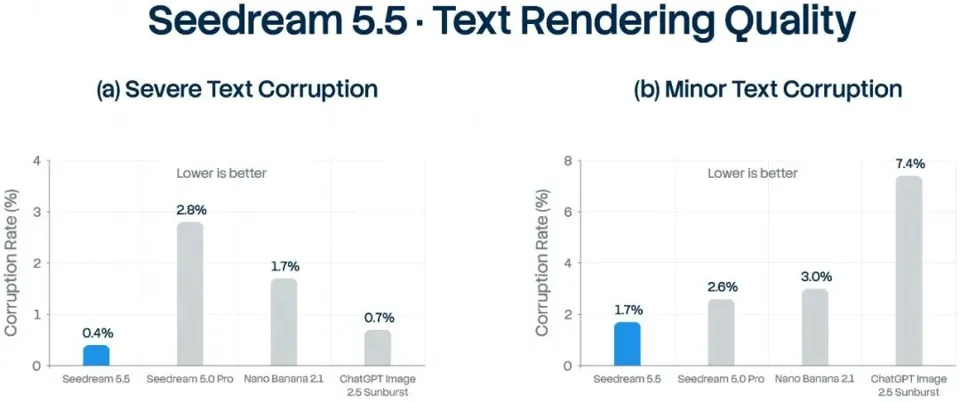
Text rendering quality evaluation. The left side shows the severe text corruption rate, and the right side shows the minor text corruption rate. Lower values indicate fewer issues.
Currently, Seedream 5.5 is being rolled out across platforms such as Jimeng, Doubao, Doubao Work, and Volcano Ark. IT Home notes that in terms of pricing, the Seedream 5.5 API continues the two-part billing structure of "input image + output image," with text tokens incurring no cost. Taking 2K square image editing as an example, the cost per image is around 0.28 yuan, less than half that of Seedream 5.0 Pro.
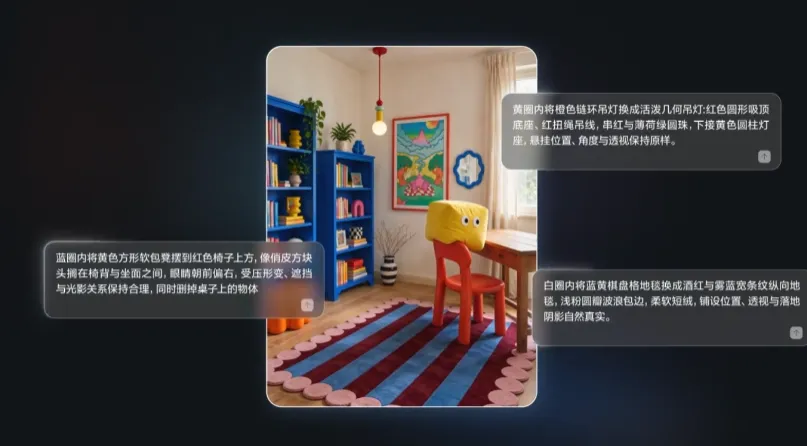
ByteDance states that a Pro version of the Seedream 5.5 series will also be released later, which will support more complex context inputs and creative instructions in the future, continuously improving the model's performance on professional tasks. At the same time, the team will expand the model's application in Agent workflows around the actual production needs of fields such as film and television, e-commerce, advertising, and design, and continue to explore more general visual intelligence.