Tesla Starts Optimus Production; Musk Plans 'Robot School' for Training
Tesla has confirmed that the Fremont factory's Model S/X line has been converted to early production of Optimus humanoid robots, with the first batch meeting mass-production quality standards. Elon Musk plans to manufacture 10,000-20,000 units initially for training in a dedicated 'robot school,' targeting external deliveries by late 2027 and a long-term capacity of one million units annually.
Full Report
Contents3 sections
By Jessica, from ROBO-Zhi QbitAI ROBO | WeChat Official Account: AI4ROBO
Raising robots like raising children??
The development path favored by Musk is indeed as unconventional as ever...
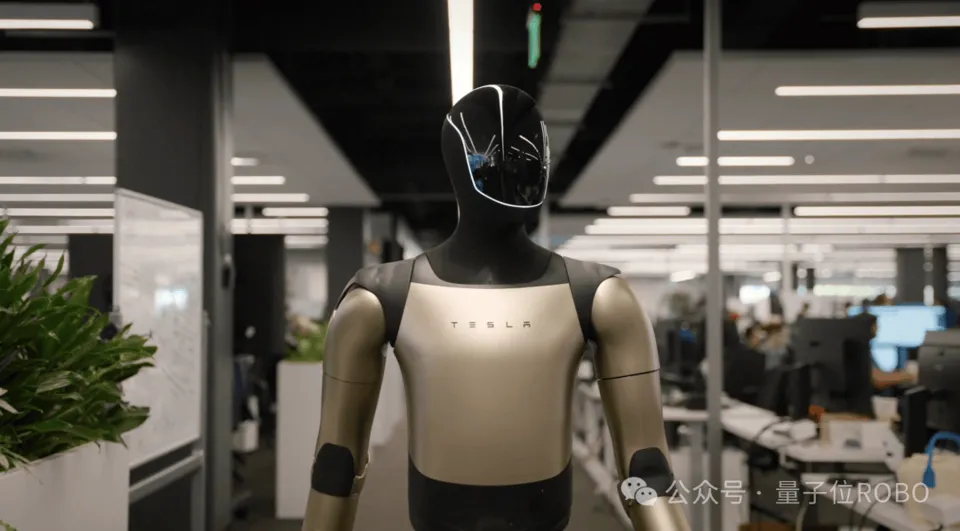
Recently, Tesla confirmed that the Optimus humanoid robot production line at its Fremont factory in the US has initiated early-stage production. The first batch of robots meeting mass-production manufacturing standards has officially rolled off the line.
Keep in mind, this was a classic Tesla automotive production line that had been operating for over a decade. Just months ago, it was still manufacturing the Tesla Model S/X. To make room for the robots, Tesla directly dismantled the existing car production lines.
And that’s not all.
Although Optimus’s hands are not yet fully mature, Musk plans to produce 10,000 to 20,000 mass-production-grade robots first.
However, these robots won’t go out to work immediately after rolling off the line. Musk plans to treat them like children being raised—sending them to specialized "schools" for training first.
Model S/X Exit, Optimus Takes Over the Production Line
Tesla’s latest third-quarter earnings report shows that Optimus robots have begun early-stage production on high-volume lines at the Fremont Factory in the US. The first batch of robots meeting mass-production quality standards has already been produced.
Tesla stated that while hardware design and manufacturing processes are still iterating, current production methods have preliminarily proven capable of meeting commercial product manufacturing requirements.
In the official capacity table, the status of the Fremont Optimus project has shifted from the previous construction phase to Early Ramp (initial capacity ramp-up).
During the subsequent earnings call, Musk revealed more details:
Currently, the Fremont factory is planning a production line with an annual capacity of 1 million units for Optimus, and the vast majority of equipment is already in place. However, reaching a true production speed of approximately 20,000 units per week is expected to take at least a year, or even longer.
Musk noted that Optimus’s capacity ramp-up will follow a typical S-curve, with initial progress being relatively slow and potentially bumpy. This is because it is a brand-new, complex hardware product.
According to him, robot manufacturing requires thousands of steps to function correctly simultaneously. Even if 9,999 steps are ready, a single issue in the remaining one can drag down the entire production rhythm.
Moreover, some designs for Optimus still need adjustment, and the supply chain and manufacturing processes are being refined concurrently.
But Musk is clearly impatient.
He predicts that by around the end of 2027, Tesla expects to resolve major issues regarding Optimus’s AI capabilities, electromechanical design, reliability, and lifespan, beginning deliveries to external enterprises.
The first batch of robots will primarily enter the industrial sector, handling dangerous, highly repetitive, or long-duration tasks. As product capabilities and output increase further, they will gradually move into scenarios such as home use.
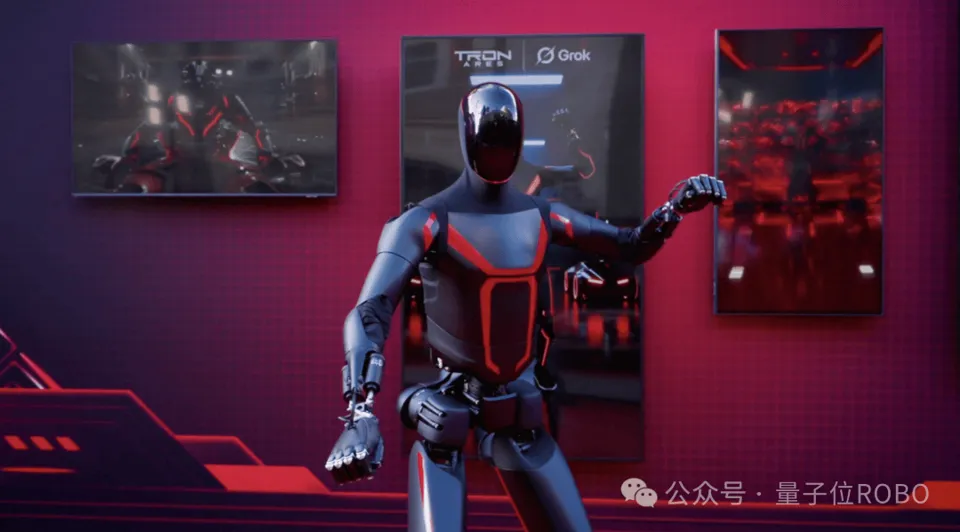
Beyond Fremont, Tesla has prepared larger-scale production bases for Optimus.
According to previously announced plans, Tesla is building a second-generation Optimus production line at its Texas Gigafactory, with a long-term goal of achieving an annual capacity of 10 million units.
One notable aspect here is that Fremont is one of Tesla’s most historically significant factories.
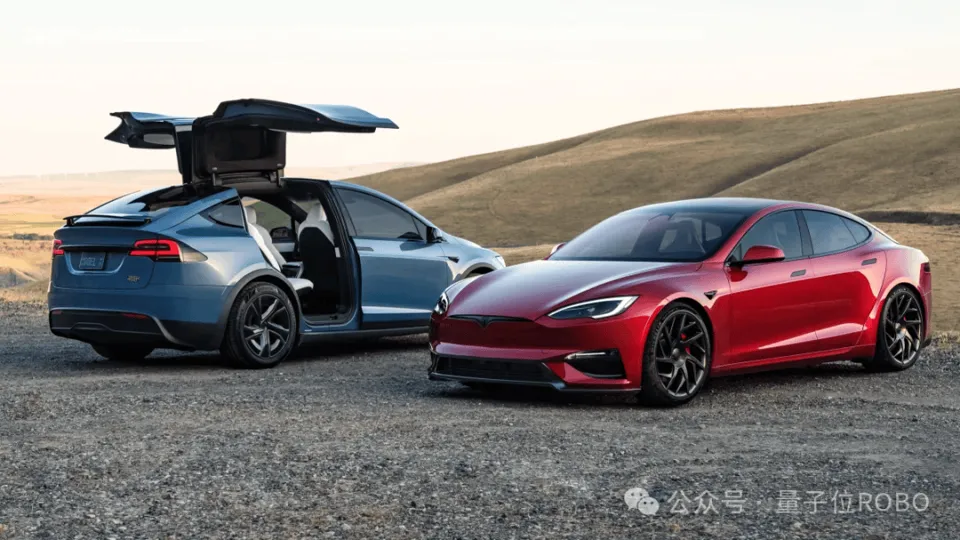
Production of the Model S began there in 2012, followed by the Model X in 2015. The former broke many preconceptions about electric vehicles with its range, performance, and intelligent experience; the latter reinforced Tesla’s tech-forward brand image with unique features like falcon-wing doors.
Before the Model 3/Y became the sales pillars, these two premium models were crucial contributors to Tesla’s growth.
However, Musk suddenly announced in January that Model S/X production would end in the second quarter. After the last batch of Model S/X rolled off the line in May, just 46 days later, this automotive production line with over a decade of history was dismantled.
Tesla specifically captioned the event: "End of an era."
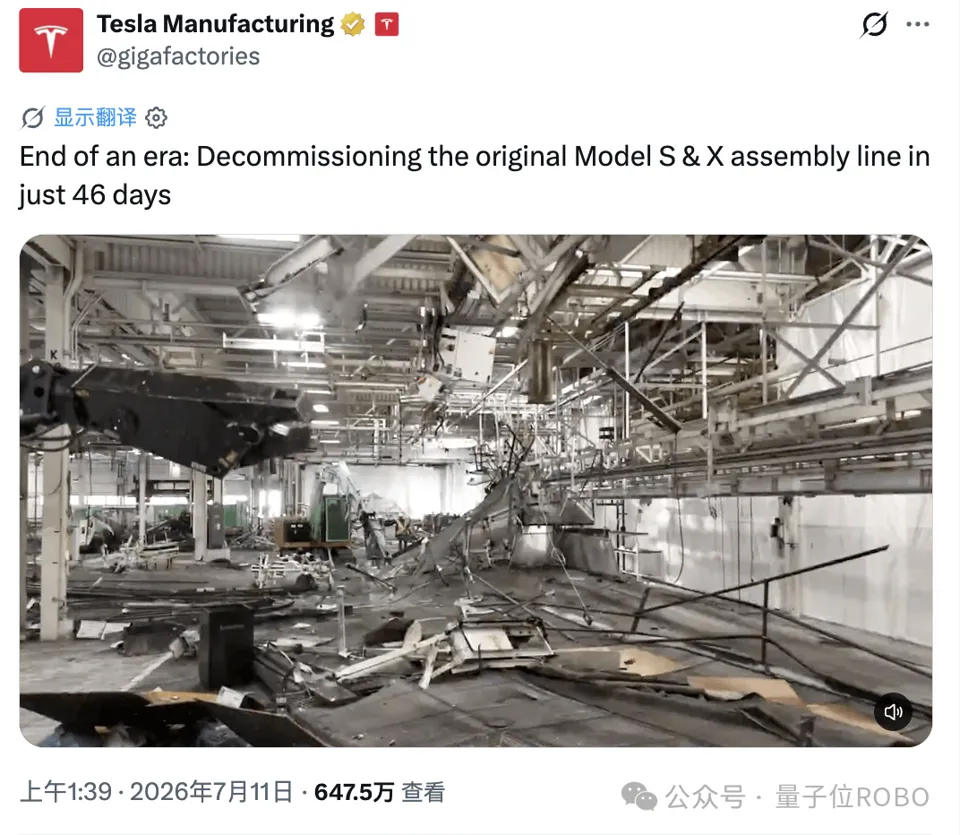
The reason for retooling the Fremont production line is to free up capacity for robots. Observers see two considerations behind Tesla’s move:
On one hand, it involves phasing out older products with limited sales volume to improve factory resource utilization efficiency.
In 2025, other models including the Model S/X and Cybertruck delivered a combined total of approximately 50,900 units for the year. According to estimates by Electrek, the combined annual sales of the Model S/X have dropped to around 30,000 units, while the original production line had a planned annual capacity of 100,000 units.
Of course, given the million-unit-level capacity planning, what Tesla wants is clearly far more than just filling an idle automotive production line.
Therefore, on the other hand, Tesla aims to apply the production, supply chain, and engineering experience accumulated over years in its automotive business to new businesses with greater growth potential in Musk’s vision.
Mass Produce First, Train Later: Musk Sends Robots to "School" En Masse
However, before Optimus robots enter large-scale mass production, there is a non-negligible issue—
Some technologies for Optimus remain unresolved, particularly the robotic hands, which have not yet been fully finalized. Why is Tesla rushing to bring them into the production stage?
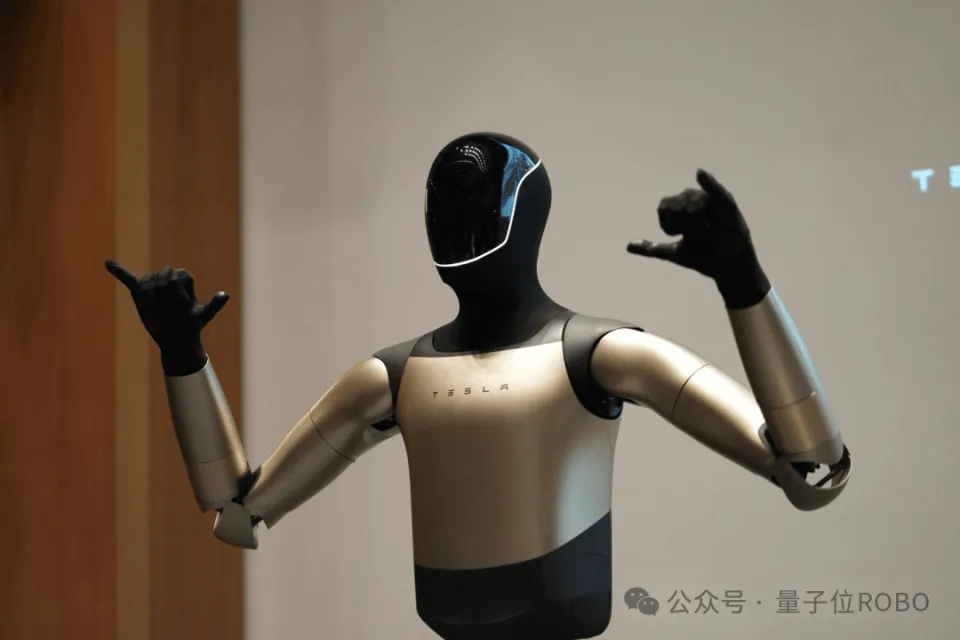
During the latest earnings call, analysts posed this question to Musk.
Musk gave an immediate and clear answer:
While producing robots whose hands are not yet perfected, Tesla is also advancing AI training, supply chain debugging, manufacturing processes, and hardware design. These efforts are proceeding in parallel to accelerate Optimus’s development as much as possible.
In other words, Tesla wants to manufacture the robots on a large scale so they can provide their own training data.
This approach is closely related to Tesla’s familiar FSD (Full Self-Driving) development model.
In the autonomous driving domain, Tesla possesses a massive fleet of real vehicles. Millions of cars constantly operating on real roads provide extensive driving scenarios and training data for FSD models.
But currently, in the robotics field, Tesla lacks a data network composed of millions of humanoid robots. It is also difficult to directly derive experiences in object manipulation, tool usage, and complex labor task execution from existing automotive data, as the environments and work content faced by humanoid robots are far more complex than those encountered by cars.
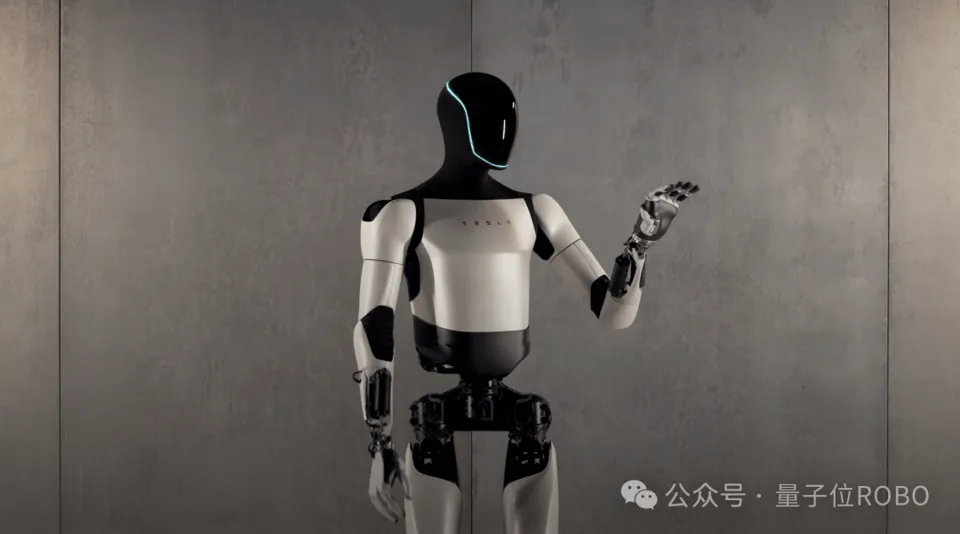
Therefore, Optimus requires a new approach to data accumulation.
In fact, Tesla has already invested significant human resources in collecting training data. According to a September report by The Information, Tesla had accumulated over 500,000 hours of robot training data at that time, with plans to double this scale by the end of this year.
To acquire this data, Tesla recruited dedicated collectors who used tools such as head-mounted cameras, motion capture devices, and haptic gloves to record human operations like folding clothes, wiping tables, and sorting batteries.
However, having robots merely watch human demonstrations is still far from sufficient. Ashok Elluswamy, Tesla’s Head of AI, offered a vivid analogy during the latest earnings call:
Watching countless football matches doesn’t mean you can play football well. To truly master the skill, you have to get on the field and practice yourself.
Robots are no different. After understanding tasks through human demonstrations, they must still accumulate experiences of success and failure through their own actual operations.
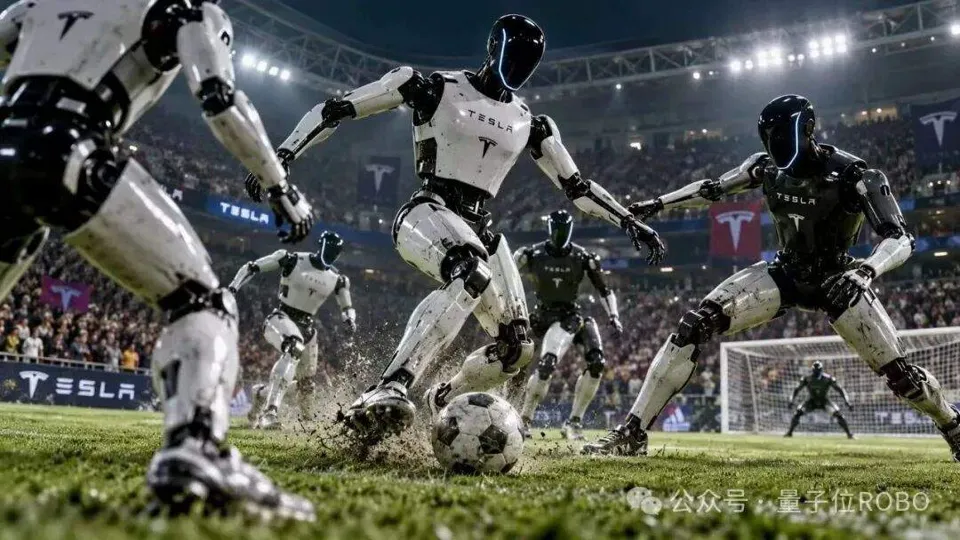
△AI Generated
Consequently, Elon Musk established a special school for Optimus—Optimus Academy.
According to the latest plan, Tesla intends to manufacture approximately 10,000 to 20,000 robots first. These units will attempt various tasks within training facilities, continuously improving their capabilities through autonomous practice in both simulation environments and the real world.
The data generated by these robots during operation will be used to train the next generation of AI models, which are then deployed back onto the robots, creating a cycle of continuous iteration.
Musk even compared this process to "child development." Humans learn life skills largely through constant interaction, trial, and practice with the real world, from taking first steps to mastering complex abilities. He hopes Optimus can follow a similar learning path.
Thus, manufacturing a large number of robots in advance serves not only to validate products and production processes but also to accumulate training experience for the next generation of robots.
Upon reflection, this strategy is quintessentially Muskian.
Previously, when Tesla insisted on vision-only autonomous driving, one of Musk’s key arguments was that since humans drive primarily using eyes and brains, machines should also be able to perform the same task using cameras and neural networks. Now, with robotics, he is again drawing inspiration from how humans learn skills.
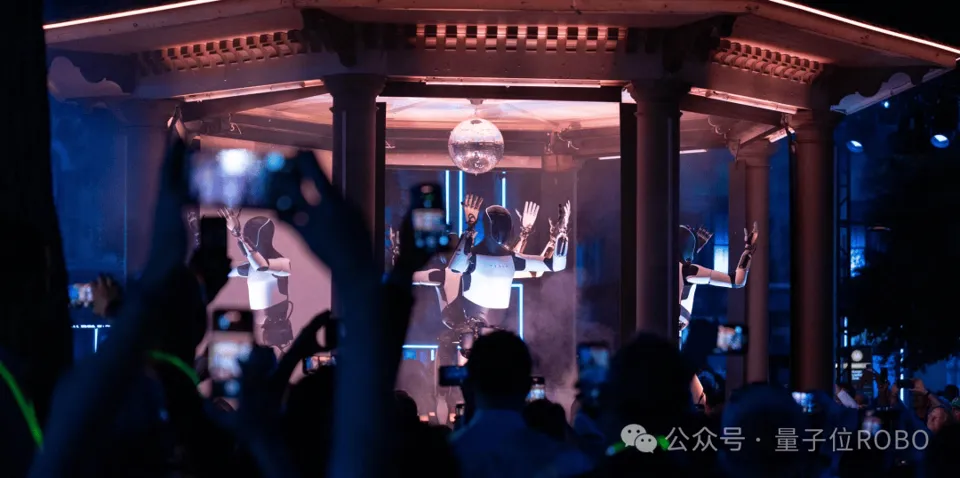
However, for tens of thousands of robots to learn simultaneously, Tesla must first solve the challenge of how to manufacture them reliably.
According to earlier reports by The Information citing sources familiar with the matter, by August of this year, Optimus’s weekly production volume had reached hundreds of units, an increase of roughly 10 times compared to the few dozen per week seen in the second quarter. Nevertheless, there remains a significant gap between this figure and Musk’s target of 20,000 units per week.
One of the most difficult hurdles to overcome lies precisely in the robot’s hands.
Reports indicate that Optimus’s hands and forearms contain over 100 screws and other small components, some of which still require manual assembly by workers. Additionally, haptic sensors face reliability issues.
During the latest earnings call, Musk further explained that human fingers are soft, flexible, equipped with numerous tactile receptors, and possess certain self-repair capabilities.
For robots, however, achieving fine grasping while performing repetitive long-term work without easily wearing out or damaging internal sensors is far more complex than imagined. Even the small mechanical structures inside the fingers impact the robot’s lifespan and energy consumption.

Beyond hardware, Optimus’s AI capabilities also need improvement. Musk admitted that considerable work remains before robots can truly handle various open-ended tasks.
To address this, he previewed that a new Optimus video might be released within the next one to two months, focusing on demonstrating the robot autonomously completing unscripted tasks via AI.
In his view, a pre-programmed sequence of movements, no matter how impressive the performance, cannot truly prove that a robot possesses the intelligence to adapt to real-world environments.
Furthermore, Tesla plans to integrate the next-generation AI5 chip into Optimus around April 2027. According to Musk, its computing power is expected to reach approximately 10 times that of the AI4, supporting the robot in handling more complex tasks.
In Musk’s vision, the practical value of robots depends heavily on the combined advancement of three factors: dexterous hands, AI software, and chip computing power.
He likened these three elements to multiplicative factors, suggesting that as these technologies progress, robot capabilities could accelerate rapidly.
Yet, this is far from the ultimate goal he envisions.

During the earnings call, Musk reiterated his bold prediction: Optimus could become the largest product on Earth.
He even began envisioning a future where Optimus manufactures the next generation of Optimus, which in turn continues production, forming an expanding manufacturing loop.
According to his forecast, the number of humanoid robots on Earth could eventually exceed the human population. Production plans of millions or even tens of millions seem to be just the starting point.
Although Musk’s previous product timelines have often been delayed, this recent push has been notably rapid and proactive, reflecting his genuine commitment to robotics...