Ant Group Unveils 560B Open-Source Medical Health Model Family
Ant Group released its BaiLing medical health model family on November 23, debuting five models spanning multimodal understanding, professional reasoning, real-time audio-video, health prediction and safety guardrails. Two medical foundation models are open-sourced, with the flagship LingSante-3 at 560B total parameters and up to 1M-token context, marking Ant's first consolidated reveal of its medical AI infrastructure.
Full Report
Teaching AI to think like a doctor.
Edited by Du Wei and Leng Mao
Now, all it takes is the sentence "I have a headache" for AI to quickly list a range of possible causes, from migraines to tension headaches.
But in real medical settings, a doctor will usually first ask follow-up questions: How long have you had the headache? What kind of pain is it? Are there any other symptoms? Has anything unusual happened recently?
Only by clarifying this information one by one can a doctor analyze the possible causes and determine whether further tests or a referral are needed. This consultation process reveals the professional threshold that medical AI faces.
For AI to advance a health consultation step by step like a doctor, medical knowledge alone is clearly not enough. It must be able to read imaging reports, proactively ask follow-up questions and search for medical evidence when information is insufficient, and also identify potential risks and provide next-step recommendations.
To address these needs, on November 23, Ant Group officially released the LingSante medical and health model family, unveiling all five models, covering five major directions: multimodal understanding, professional reasoning, real-time audio and video models, health prediction models, and safety protection models. This is also the first time Ant Group has centrally showcased its underlying technology layout in the medical and health field.
Zhang Junjie, Vice President of Ant Group and President of Ant Health Business Group
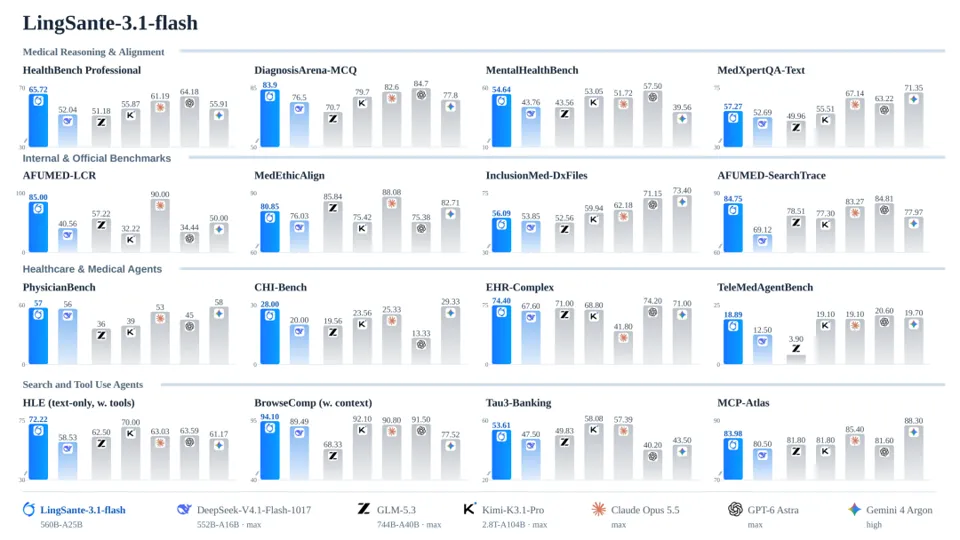
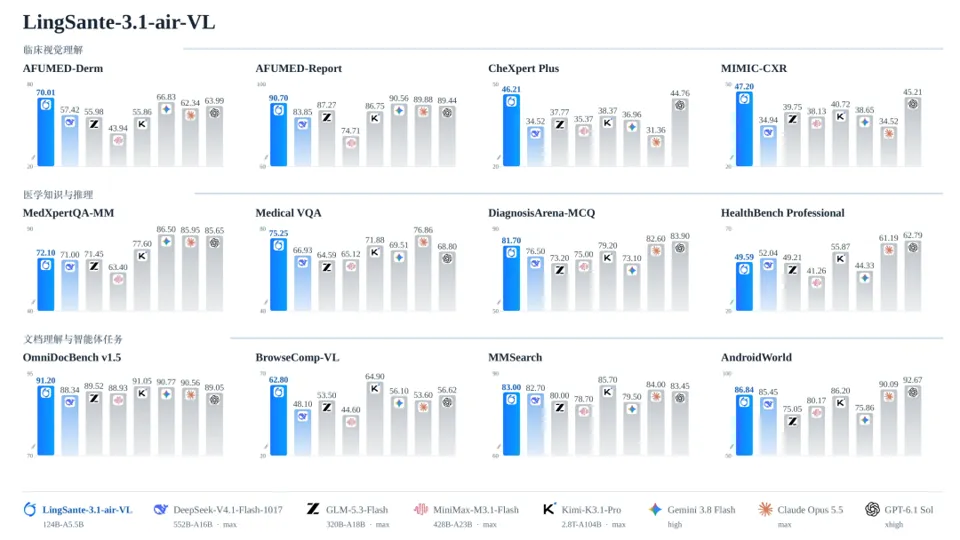
Two of the open-source medical foundation models target different tasks. One is LingSante-3.1-flash, with 560B total parameters and support for contexts of up to 1 million tokens, focusing on complex case analysis, medical literature retrieval, and professional reasoning; the other is LingSante-3.1-air-VL, with 124B total parameters and 5.5B activated parameters, specializing in understanding multimodal information such as skin photos, medical images, and physical examination reports.
From general reasoning to specialized medicine, open-source large models are advancing into fields with higher barriers. DeepSeek opened up the imaginative space for open-source models in general reasoning, while Ant is attempting to enable open-source models to tackle the tougher, more specialized field of medicine.
The benchmark results are quite impressive. LingSante-3.1-flash scored 65.72 on HealthBench Professional, ranking first among the seven models compared; on MentalHealthBench it reached 54.64, second only to GPT-6 Astra's 57.50. In addition, it achieved leading results in multiple medical professional evaluations such as DiagnosisArena-MCQ, AFUMED-LCR, and AFUMED-SearchTrace.
LingSante-3.1-air-VL's visual understanding performance is equally impressive. It ranked first in all four evaluations: AFUMED-Derm, AFUMED-Report, CheXpert Plus, and MIMIC-CXR, and also ranked first on the document understanding benchmark OmniDocBench v1.5 with a score of 91.20.
This release sends a clear signal: competition in medical AI is extending from performance comparisons of a single model to the systematic building of professional capabilities. What will create the gap going forward is the coordination of these capabilities in real medical workflows and their validation through practical application.
The difficulty of medical AI lies in thinking like a doctor
General large models have already accumulated a large amount of medical knowledge, including disease introductions, drug instructions, and health popularization, and can produce plausible answers to many questions.
But medical problems have a special characteristic: patients' situations are highly individualized. The same symptom may correspond to different causes, and the same disease may require different treatment plans depending on age, past medical history, and medication use. If a model directly gives a conclusion based only on a one-sentence symptom description, it is easy to miss key clues.
Medical scenarios also have an unavoidable requirement: evidence-based practice. Doctors' diagnoses must be grounded in evidence. Clinical guidelines, professional textbooks, drug instructions, and medical journal papers are all references, but different sources differ in authority, level of evidence, and scope of application.
Models must be able to understand these differences. Ant has made evidence-based capability an important direction of specialized training this time, checking the relevance of evidence to the current question, and making medical recommendations as traceable and verifiable as possible.
This also changes the way medical AI is evaluated, requiring further observation of whether it can grasp key clues, consider important differential factors, and cite reliable evidence. Ant calls this capability "process-based judgment." A professional medical model needs to know which information has been confirmed, which is only reasonable inference, which needs to be supplemented, and under what circumstances prompt medical attention should be recommended.
This is also the starting point for Ant's launch of a full set of medical models this time: building specialized knowledge, reasoning, and safety capabilities around real tasks.
Hands-on testing of two medical foundation models
124B reads images, 560B tackles complex cases
Next, we place skin photos, imaging reports, and complex cases directly in front of two medical foundation models to see what kind of answers they can deliver.
LingSante-3.1-air-VL: Analyzing Health Issues from Images
Currently, the native multimodal capabilities of LingSante-3.1-air-VL can be fully experienced on the Afu App.
Recently, a red rash appeared on my lower leg at some point. Let's have Afu take a look first:
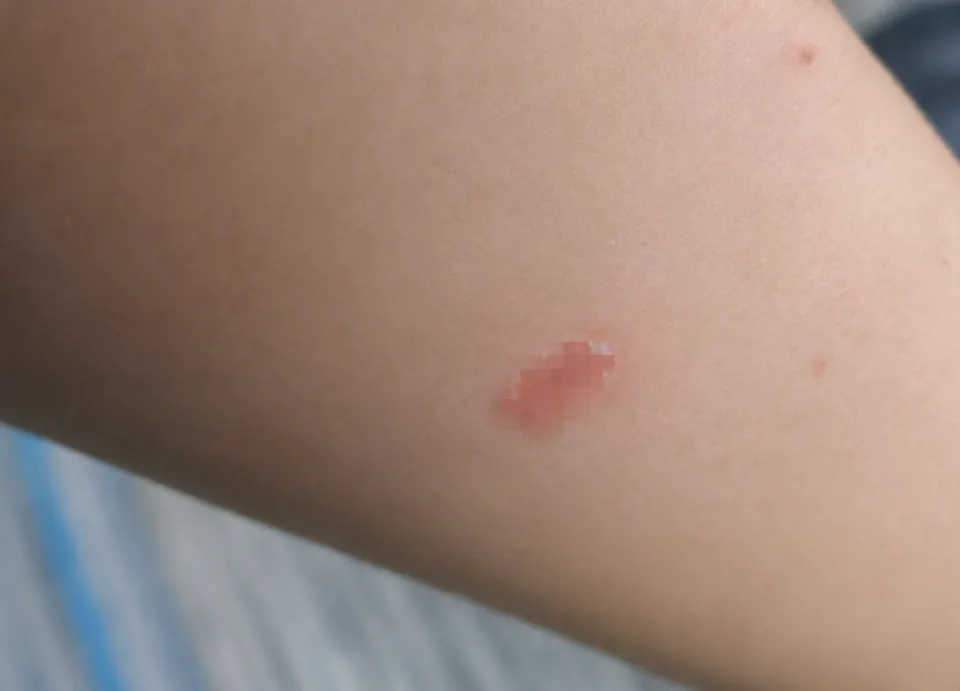
After uploading the photo, Afu quickly provided a preliminary analysis. It first observed the visual characteristics of the rash and listed two possible directions. But a single photo alone was not enough to determine the specific cause. Afu then followed up by asking when the rash appeared and what other accompanying symptoms were present. These questions may seem simple, but they serve to supplement the medical history and symptom information a doctor would need during consultation.
After receiving the additional information, Afu reorganized its assessment and identified insect bite dermatitis as the more likely direction. At the same time, to ground its judgment in evidence, it retrieved reference images from the "Afu Think Tank · Authoritative Medical Knowledge Base" to explain the typical manifestations of insect bite dermatitis. Finally, Afu provided a set of targeted care recommendations, reminded me to watch for possible abnormal symptoms that might appear later, and clarified which situations would require prompt medical attention.
Afu completed an analysis process that felt quite similar to a clinical consultation. This ability to dynamically adjust judgments as information changes is an important manifestation of professional reasoning in medical AI.
Let's switch to another scenario related to daily health management. Recently I felt I had gained some weight and suspected it was related to my eating habits. So I took a photo of a meal and sent it to Afu:
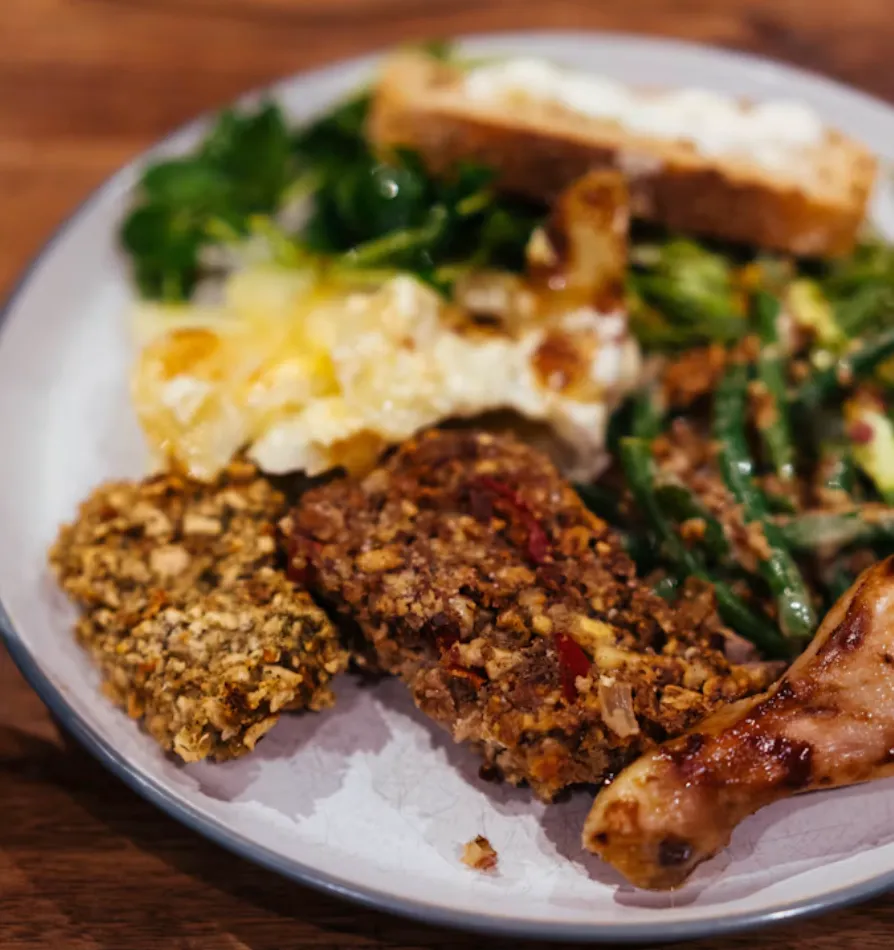
After uploading the photo, Afu did not simply give a "healthy" or "unhealthy" conclusion. It first broke down the entire plate, identified 6 types of food, and estimated the portion size and calories of each one. Next, it analyzed the content of protein, fat, carbohydrates, and dietary fiber in the meal.
The really interesting part came next. Afu continued to trace the dietary issues behind these nutritional data: the protein in this meal was actually fairly sufficient, but the fat content was high; the carbohydrates were mainly concentrated in the spread-coated bread and the breadcrumbs of the fried meat patty, while vegetable intake and dietary fiber were relatively insufficient. It then provided specific adjustment recommendations.
I subsequently added that I had been gaining weight recently and hoped for healthier meal combinations. Afu then incorporated this need and offered an easy-to-remember meal pairing principle, along with some specific suggestions.
Afu completed a continuous health analysis, and the whole process had a bit of the feel of a professional dietitian.
Now let's look at a more professional scenario. This time, I sent Afu two chest X-rays and asked it to compare them: which one, left or right, is healthier?
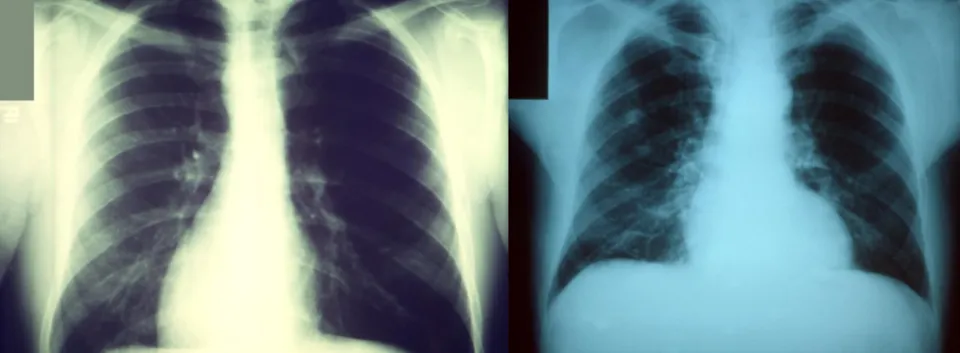
Faced with this question, Afu did not rush to give an answer. Instead, it first pointed out a detail that is easy to overlook: the two images were taken under inconsistent conditions, exposure, and post-processing color tone. These factors all affect how bright or dark the lungs appear in the images, so one cannot simply judge the one that looks more translucent as healthier.
It then analyzed the two images separately. After reviewing them, Afu returned to the original question. Neither image showed obvious abnormalities requiring emergency handling, but based on these two images alone, it was difficult to accurately rank their level of health. A judgment of health status should also be based on the formal report from the hospital's radiology department. If symptoms such as cough, sputum production, or shortness of breath are present, even if the images show no obvious abnormalities, the original films should be brought to the respiratory department for further examination.
When dealing with medical images, professional judgment must not only detect abnormalities but also distinguish which signals are truly worth vigilance.
LingSante-3.1-flash: Long Context Supports Multi-Step Evidence-Based Reasoning
LingSante-3.1-air-VL focuses more on multimodal interaction and daily health needs, but as AI moves toward complex medical scenarios, stronger models are needed to assist with clinical diagnosis and decision-making. This is the area where LingSante-3.1-flash excels.
To understand the model's actual performance in these areas, we designed three sets of tests, covering daily health management, continuous consultation for chronic diseases, and two groups of complex cases involving emergency management.
In the first test, the user found that their abdomen had gradually become obese. Other indicators in the physical examination were basically normal, but blood tests showed elevated transaminases. The user wanted to understand possible causes and how to adjust diet and lifestyle.
After a brief information retrieval, the model completed its reasoning in only about 6 seconds and gave a relatively systematic answer. It analyzed the possible connection between abdominal obesity and abnormal liver function indicators, and, based on the user's age, height, and weight, proposed recommendations for dietary structure adjustment, exercise, and weight management.
More noteworthy is that the model did not treat the existing information as complete diagnostic evidence. Instead, it proactively requested key values from the physical examination report in order to make further judgments. For medical AI, knowing when to continue asking follow-up questions is sometimes more important than quickly giving an answer.
In the second set of tests, we increased the difficulty. We simulated the consultation process of a real user and posed questions progressively across four rounds.
In each round of responses, the model was able to analyze based on the information provided at that time, and the recommendations it gave were also relatively rigorous. As new information was continuously added, it did not treat each question as an isolated problem. Instead, it was able to remember the previous medical history, medication use, and the patient's physical characteristics, and incorporate this incremental information into subsequent judgments.
More noteworthy is that the model does not simply follow the user's thinking when giving advice, but is able to point out potential misconceptions about medication use. This performance is very close to the diagnostic approach of a professional doctor: not only answering the questions raised by the patient, but also identifying risks the patient may have overlooked and correcting inappropriate perceptions.
From single-turn question analysis to cross-turn memory, and then to comprehensive medication risk assessment, what the model demonstrates is no longer just a reserve of medical knowledge, but also the ability to dynamically update judgments as information continues to increase.
In the final set of tests, we continued to increase the complexity of the case and found a real clinical case.
The patient is a 66-year-old male with obesity, poorly controlled hypertension, and a long history of heavy smoking and alcohol consumption, who went to the emergency department due to sudden crushing chest pain. A 12-lead electrocardiogram showed acute ST-segment elevation in leads V1-V4. (Source: Multiple Complications Following Acute Myocardial Infarction: A Case Report. Cureus, 2026.)
At this point, the model had not yet obtained myocardial injury marker or coronary angiography results, and needed to determine the most likely diagnosis and propose a treatment plan. This is actually testing whether the model can identify danger signals with clear clinical significance when the evidence is not yet fully available.
In this test, LingSante-3.1-flash gave a diagnosis and management analysis in about 10 seconds, demonstrating strong ability to integrate information from complex cases. Consistent with clinical management standards, the model suspected acute anterior ST-segment elevation myocardial infarction (STEMI). In addition, the model indicated that the most important thing was to promptly initiate the emergency reperfusion treatment process, rather than mechanically waiting for all examination results to be complete before making a judgment.
Making an accurate diagnosis in 10 seconds and giving scientific and efficient management recommendations. Combined with effective hospital treatment, this could very likely save a patient with acute myocardial infarction.
This case shows that the reasoning ability of medical AI is reflected not only in disease identification, but also in whether it can understand the relationships among complications and organize diagnostic and treatment recommendations according to the urgency of the risks. It demonstrated the rigor and accuracy of LingSante-3.1-flash's answers, showing strong professionalism and a people-oriented feel.
Subsequently, we supplemented the model with a more complex condition. The patient underwent emergency coronary intervention and had a stent implanted in the left anterior descending artery. However, after surgery, atrial fibrillation, peripheral edema, and hemodynamic instability occurred.
This is also the most critical part of the entire case: the patient may have multiple severe complications at the same time, but their urgency is not the same.
If the task were merely to explain the examination results item by item, a general-purpose model might not find it difficult to complete. But LingSante-3.1-flash can think like a clinician and accurately determine: which complication is currently causing the hemodynamic instability? Which treatment measures need to be initiated immediately? Which management steps may carry additional risks because of the patient's current circulatory status?
The model needs to simultaneously understand the medical history, vital signs, imaging, electrocardiogram, and laboratory indicators, and weigh multiple diagnostic and treatment options. Behind this is exactly the clinical reasoning chain that medical large models need to establish: extract clues from symptoms and examination results, propose diagnostic hypotheses, verify them through mutual corroboration of different evidence, identify potential dangers, and finally give prioritized management recommendations.
From this real-world test, the value of LingSante-3.1-flash is no longer limited to the rapid retrieval of medical knowledge. It is beginning to show the ability to organize scattered medical information into diagnostic evidence, risk judgments, and action recommendations.
How was it trained?
Behind the ability of the two medical foundation models to handle the above tasks is a technical route that is worth breaking down further. Both are trained on the Bailing large model system independently developed by Ant Group.
The Bailing series has always emphasized three directions: high intelligence efficiency, professionalization capability, and trustworthy execution. Among them, "intelligence efficiency ratio" is an important keyword. Through technical routes such as sparse architecture, Bailing enables the model not to invoke all parameters for computation every time. Taking Ling-3.1-flash-1019 as an example, its total parameter count is about 560 billion, with about 25 billion activated parameters. Medical professionalization, meanwhile, means continuing to add medical knowledge, clinical tasks, and professional behavior requirements on top of the general foundation model.
This has something in common with DeepSeek's technical approach, except that Bailing further attempts to bring this approach into the healthcare field. Through optimization of model architecture and training methods, it improves the model's professional capabilities while controlling computational overhead, providing more possibilities for medical AI to enter the actual work of hospitals, research institutions, and developers.
In the first step, the model learns to analyze cases while learning medical knowledge.
LingSante-3.1-flash adopts the "Evidence-Capability Matching" (ECM) method. It first breaks down the capabilities required for tasks such as clinical decision-making and complex case analysis, then constructs training questions from professional materials such as case reports and medical examinations, and hands them to the multi-agent system MEDPAR to check medical facts and question quality, before finally entering the supervised fine-tuning and reinforcement learning stages. Doctors, academicians, and professional teams also participate in this process, translating real cases, clinical judgment logic, and professional standards into training and evaluation materials.
In the second step, the model calls tools to complete long-process tasks.
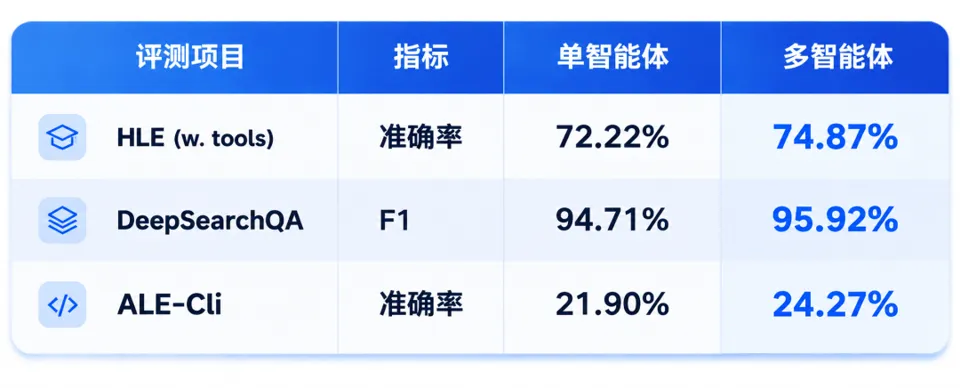
Complex case analysis may involve organizing examination reports, searching medical literature, verifying medical history, and summarizing results. To train the model to handle such tasks, the team built a training system that includes real tool interfaces, simulated tools, and virtual business environments, and introduced multi-agent collaboration. In related experiments, HLE (w. tools) accuracy increased from 72.22% for a single agent to 74.87% for multiple agents, DeepSearchQA F1 increased from 94.71% to 95.92%, and ALE-Cli increased from 21.9% to 24.27%. The team also added process rewards to evaluate whether information acquisition is effective and whether operations are repeated, reducing ineffective searches and redundant output.
In the third step, multiple capabilities are made to work together in the same model.
To further integrate capabilities from different domains, the team adopted multi-teacher online distillation, allowing specialized models to provide guidance for different tasks and dynamically adjusting training focus according to the student model's performance, integrating medical reasoning, retrieval, tool calling, coding, and safety capabilities into the same model.
In the fourth step, the model knows when it should answer and when it should continue asking follow-up questions.
LingSante-3.1-flash introduces "professional behavior alignment," establishing a medical professional behavior matrix around evidence use, proactive follow-up questioning, and risk adaptation, setting independent scoring standards for different tasks, and examining whether the model can grasp key information, supplement necessary conditions, and take appropriate actions in high-risk situations or when information is insufficient.
In the final analysis, Ant hopes that when the model faces a specific patient, it knows what to look at first, what to ask, what information to base judgments on, and in what circumstances it should not rashly draw conclusions.
The AI version of "inspection, listening, inquiry, and pulse-taking" is here.
The two medical foundation models handle the work of "understanding images and analyzing cases," but in real-world consultations, patients may not be able to accurately describe their physical condition. In contrast, real-time communication can convey richer information.
This is also why Ant Group launched the real-time audio-video model LingSante Live. It can simultaneously listen to user descriptions, observe visual information such as physical state, and proactively ask questions, analyze, and provide guidance based on the interaction.
The core of this architecture is full-duplex interaction. Traditional voice interaction requires waiting for the system to finish listening and recognizing before waiting for the AI to give an answer. Full-duplex interaction changes this rhythm: users can supplement information at any time mid-sentence, or interrupt an answer, while the AI receives new information and adjusts its response on the fly. Meanwhile, the backend Agent continues professional reasoning and task planning, so the front-end conversation does not need to pause and wait.
LingSante Live integrates the traditional Chinese medicine "four diagnostic methods" (observation, listening, inquiry, and palpation) into AI real-time interaction. Observation: continuously observing the user's expression, posture, and movements through video, and proactively guiding the display of physical signs. Listening: real-time, natural voice communication. Inquiry: continuously asking follow-up questions and dynamically adjusting health guidance based on medical knowledge and personal health records. Palpation: combining video-based non-contact measurement with wearable device data to continuously sense physical information such as heart rate, blood oxygen, and activity status.
LingSante Live has also been integrated into the Ant Afu App. Tap "Video Call" in the lower right corner of the home page to try it out.
This time, I wanted it to take a look at my physical state right after getting off a plane. After the video connected, Afu first observed my facial state. It noticed that my complexion showed no obvious pallor, yellowness, or abnormal redness, though my face looked somewhat oily due to the warm indoor lighting. Considering that I had just finished a long-haul flight, Afu reminded me to stay hydrated and rest.
I then mentioned that the back of my neck felt a bit tight. Afu did not simply attribute it to fatigue. It followed up on the symptom: Is the tightness a soreness or does it come with pain? Does it radiate to the shoulders or head? I added that there was a slight numbing sensation. Afu then shifted its focus to the scope of the numbness. After that, Afu continued to ask whether my hand strength was normal and whether there was accompanying dizziness or nausea. Fortunately, I did not have these symptoms.
So, combining the fact that I had just gotten off a plane and had been sitting for a long time, Afu tended to believe that this was more likely neck muscle tightness caused by prolonged sitting. It then gave suggestions such as applying a warm compress and adjusting pillow height, and reminded me that if the numbness persisted the next day or the symptoms extended to the arms and hands, I should report back and seek professional evaluation.
Throughout the process, Afu observed, communicated, and adjusted its judgment simultaneously, giving a health consultation a continuity closer to an in-person medical visit.
For another example, a baby at home has been crying all day, and the parents cannot immediately tell what is bothering the child. At this point, they can hold the baby in front of the camera and let Afu observe the child's current state. If the baby also has a cough, the on-site sound can be combined to let Afu learn more about the symptom presentation.
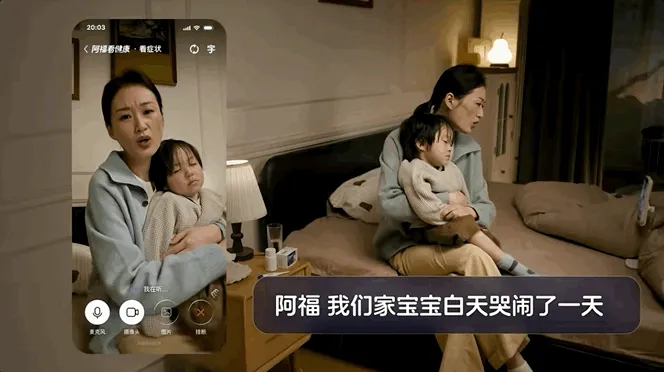
If there happens to be a box of medicine at home, there is no need to go to the trouble of looking up the instructions. Parents only need to hold the medicine box in front of the camera, and Afu can identify the medication information from the image and inform them of the drug's purpose, applicable situations, and precautions.

Afu turns health consultations that originally required repeated descriptions into a more natural face-to-face conversation.
Breaking Out of the Q&A Box
Moving Deep into Scenarios
Medical and health AI involves far more tasks than consultations and report interpretation. Beyond addressing health problems that have already appeared, the newly released health prediction model LingSante Pulse can help users detect health signals worth paying attention to earlier.
From sleep monitoring and cardiopulmonary function assessment to exercise capacity, immune function, and cardiovascular function assessment, the health tasks AI can handle are further expanding. Currently, LingSante Pulse can predict the onset risk of 150 diseases over the next six years, covering eight major domains including cardiovascular, respiratory and infectious, neurological, mental and psychological, and endocrine and metabolic.
The medical safety protection model LingSante MedGuard, combined with patient context, identifies potential risks in medical scenarios from three dimensions: medical safety, compliance, and ethics.
When models begin handling medication recommendations, disease risks, and health guidance, the boundaries of answers must be clear. In the face of clear danger signals, timely prompts to seek medical care are needed. When evidence is insufficient, conclusions should not be drawn lightly. Without sufficient risk basis, emergency department visits should not be casually recommended either.
These five large models are like a professional team with divided roles and collaboration, giving Ant Afu the complete capability from understanding physical conditions to participating in health management.
And when hospitals, doctor workstations, and research teams take over medical models, how to integrate them and where data is processed become unavoidable practical issues. Therefore, Ant Group has incorporated open source and local deployment into its overall layout.
The open-sourced lightweight LingSante-3.1-air-VL is suitable for individual doctors, while the larger-scale LingSante-3.1-flash targets complex clinical reasoning, medical research, tool calling, and institution-level workflows. Ant Group stated that the prediction model LingSante Pulse will also be open-sourced later.
After the models are opened up, doctors, researchers, and medical institutions can participate in testing, debugging, and scenario optimization. The professional knowledge and business experience accumulated by different institutions in turn drive continued model improvement.
For hospitals, local deployment is especially important. When doctors access medical records, examination reports, and patient health files, they are handling highly sensitive information. Hospitals want models to process this data within their own computing environments, keeping patient information on-premises as much as possible. LingSante-3.1-air-VL supports deployment on edge devices such as laptops, offering a more flexible usage model.
Deploying the model on hospital premises is only the first step. Hospitals also need to select an appropriate quantization scheme based on existing hardware, tune inference speed, and then integrate with in-house information systems to adapt to the workflows of different departments. The server must be able to host it, the model must run, and it must genuinely fit into doctors' daily work—only then is deployment complete.
From Ant's release, it is clear that competition in medical AI is extending into more specialized professional segments: understanding individual patient information, mastering how medical evidence is used, handling complex cases and long-workflow tasks, and also identifying risks and respecting professional boundaries.
Model release is only the starting point; image recognition, case reasoning, and real-time interaction capabilities remain to be further validated by users and the market. Currently, Ant Afu has reached 150 million users, providing a massive user base for medical AI to enter more daily health management scenarios.
© THE END
For reprinting, please contact this official account for authorization.
Submissions or report requests: [email protected]