Tencent Releases Hunyuan Hy4, a 770B Open-Source Model with Vision and Computer Use
Tencent unveiled Hunyuan Hy4, scaling its flagship LLM from under 300B to 770B parameters while adding vision understanding and Computer Use for the first time, with focused gains in instruction following, long-context comprehension and long-horizon agent tasks. Weights are slated for open release, pricing stays at RMB 6 per million input tokens and RMB 18 per million output tokens, and the model is already live across Tencent Cloud, Yuanbao, CodeBuddy and third-party platforms like OpenRouter.
Related Entities
Full Report
Contents7 sections
On November 4, Tencent Hunyuan officially released its new-generation large language model Hy4. Tencent stated that with comprehensive improvements in model capabilities, Hy4 has for the first time joined the ranks of the strongest open-source models. Model weights will be released soon, along with a model System Card focusing on potential risks such as cybersecurity and biosecurity, advancing responsible open-source practices.
Compared with the previous Hy4 Preview, Hy4 further expanded data scale and training scale during the pre-training and post-training stages, introduced visual understanding capabilities for the first time, and focused on improving instruction following, long-text understanding, and long-horizon Agent capabilities. In terms of parameter scale, the Hy4 series reaches 770B, while the previous Hy3 series had fewer than 300B parameters.
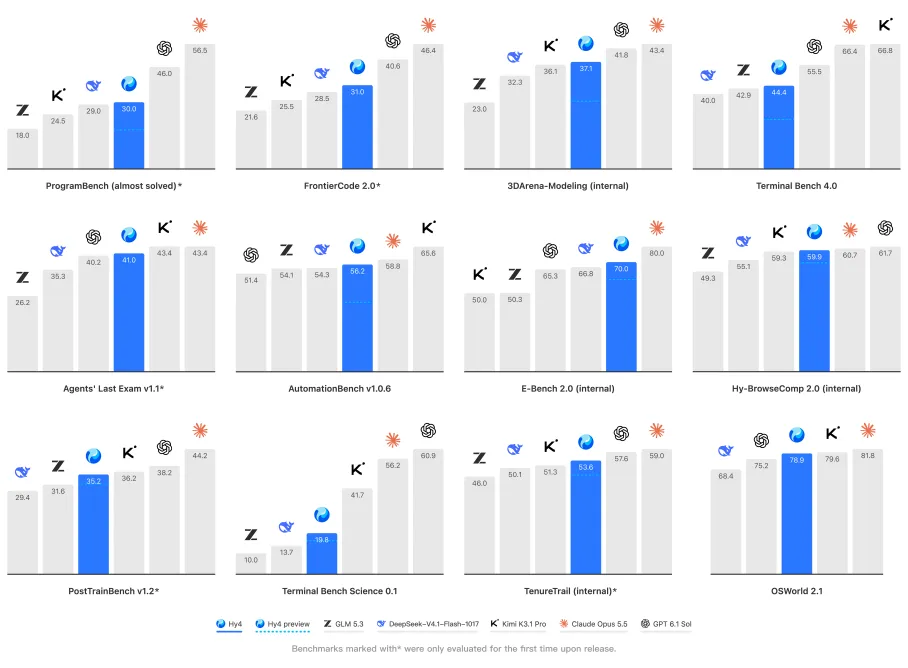
In terms of multimodal capabilities, Hy4 can combine visual understanding, reasoning, and tool calling to complete tasks such as fine-grained image processing, complex chart analysis, and mathematical visual reasoning. At the same time, the model supports Computer Use for the first time, enabling task execution through both command-line and graphical interfaces. For professional software such as Blender and CAD as well as cross-application long-horizon tasks, Hunyuan conducted specialized training to improve the model's task planning and execution capabilities.
Currently, Hy4 has been launched in products including Tencent Cloud TokenHub, WorkBuddy, CodeBuddy, Yuanbao, the WeCom intelligent assistant Dayuan, and ima, with its API simultaneously integrated into platforms such as OpenRouter, Hermes, and OpenCode. Tencent ecosystem products such as QQ, Honor of Kings, PUBG Mobile, WeRead, and Tencent News are also being integrated progressively.
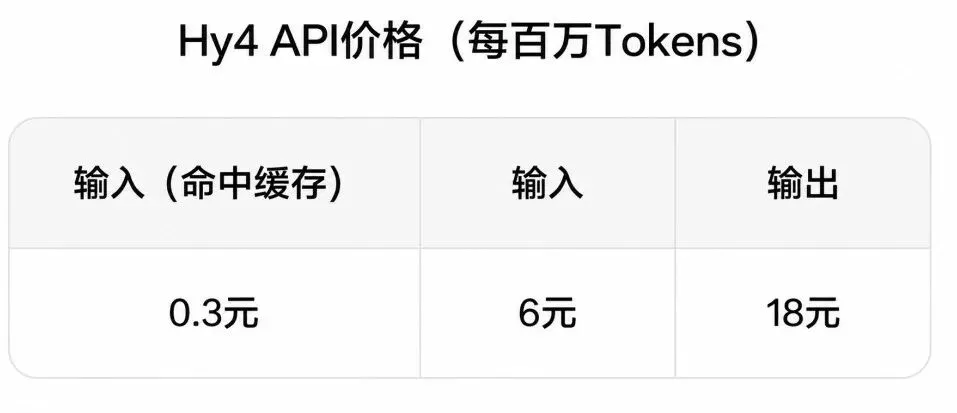
In terms of pricing, Hy4 continues the Preview version's pricing: 6 yuan per million input tokens, 18 yuan per million output tokens, and 0.3 yuan per million tokens for cache hits.
Hy4 Flash is also planned for release in the near future. This version will further reduce task costs while inheriting Hy4's core capabilities, providing a more cost-effective option for high-frequency calls and long-horizon tasks.
To collect user feedback, WorkBuddy and CodeBuddy will provide users with a certain amount of free usage from November 4 to November 15. In addition, from now until December 31, 2026, Hy4 will be billed at 50% of the list price on Tencent Cloud TokenHub.
Strengthening Real-World Productivity Scenarios
A key focus of Hy4 this time is the deep co-design of models and products, optimizing model capabilities for specific application scenarios to improve actual task completion results.
In office scenarios, Hy4 further improves the WorkBuddy experience. According to evaluation results published by Hunyuan, Hy4 achieved an average performance score of 83.18 points and a task pass rate of 96.15%, ranking first in China in 9 of 12 test scenarios. In tasks such as visual creativity, 3D scene construction, and web development, the model balanced generation quality and execution efficiency. For WorkBuddy's human-AI collaborative writing feature, Hy4 also improved document aesthetics, stability, and usability.
With enhanced context understanding capabilities, Hy4 has further expanded personal assistant scenarios. Through WorkBuddy's WeCom suite, the model can connect work information such as chat records, emails, documents, schedules, and meetings, sort out historical progress when multiple projects are advancing in parallel, identify to-do items and tasks approaching deadlines, and help users prioritize. Team collaboration features based on Hy4 will also launch in WorkBuddy with the new "Projects" feature.
Financial analysis is one of the professional scenarios specifically strengthened this time. Hunyuan built thousands of workspaces and tens of thousands of high-quality tasks based on real financial business, covering areas such as fund research, securities analysis, quantitative strategies, asset allocation, corporate finance, and tax accounting.
In financial capability evaluation, Hunyuan partnered with Tencent Financial Technology (FiT) to organize 213 experts for crowdsourced testing, of which 153 came from leading external financial institutions, with about 70% having more than 5 years of industry experience. Based on evaluation results from 579 real financial tasks, Hy4 achieved a comprehensive score of 3.04, higher than Kimi K3.1 Pro and GLM-5.3 at 2.68, as well as DeepSeek-V4.1-Flash-1017 at 2.97. In addition, in the internal IRAB evaluation by financial agent company Xuntu Technology, Hy4 improved by 12.03 percentage points compared with Hy4 Preview.
To improve information accuracy in office scenarios such as finance, Hunyuan also carried out targeted optimization for time-sensitive retrieval, multi-source information integration, and factual consistency verification. According to its own tests, Hy4's hallucination rate dropped from 12.95% in the Preview version to 7.2%, and the error rate caused by guessing dropped from 23.1% to 5.6%.
In the fields of front-end and game development, Hy4 carried out targeted optimization for complex interactions, business logic, state management, and front-end/back-end linkage. Hunyuan also collaborated with game developers from Tencent Interactive Entertainment Group (IEG) to improve game feature implementation, gameplay logic, state understanding, and game asset processing capabilities, and adapted the model for mainstream game engines such as Unreal Engine, Unity, and Godot, beginning to expand into multiplayer online game development. Compared with Hy4 Preview, Hy4 improved by 19.1% and 9.8% in the GameDev and GameLogic evaluations, respectively.
Scientific research capability is also a key focus of this upgrade. Hy4 combines complex reasoning, scientific programming, and long-horizon task execution to improve end-to-end research task handling capabilities. In the internal TenureTrail evaluation, which covers 7 major disciplines and 123 executable research tasks, Hy4 demonstrated certain research capabilities in areas such as mathematical construction, physical modeling, Earth and environmental science, systems engineering, and socioeconomic decision-making.
In addition, Hunyuan is preparing for Recursive Self-Improvement (RSI), enhancing the model's ability to participate in model R&D tasks. Combined with Hyra2.0, the team optimized the pre-training infrastructure for internal same-architecture small models and automatically trained the Jev model, which outperforms the official version in multiple evaluations. At the same time, Hunyuan also open-sourced the single-cell representation foundation model HyCell and the physical field foundation model HyPDE, developed jointly by Hy4 and Hyra2.0, hoping to turn the results of model-assisted scientific research into reusable tools for the community.
As model capabilities improve, safety has also become an important part of Hy4's open-source plan.
In terms of cybersecurity, Hunyuan stated that during training, Hy4 primarily incorporated defensive cybersecurity data related to proof-of-concept (PoC) generation and vulnerability remediation, while excluding offensive training content such as exploit development, reverse engineering, and penetration testing. Security experts from Tencent Xuanwu Lab and Keen Lab also conducted targeted audits covering areas including cryptanalysis, reverse engineering, and vulnerability exploitation. According to the audit results, Hy4 did not exhibit prominent risks in offensive capabilities such as reverse-solving cryptographic algorithms, countering binary obfuscation, and vulnerability exploitation.
In terms of biosecurity, Hy4 scored 30.4/100 on open-ended experimental design tests (Hy-BioExperimentBench). Hunyuan organized internal experts to audit the model's generation trajectories and concluded that although the model possesses solid foundational biological knowledge, its ability to translate that knowledge into executable experimental protocols remains limited, and no evidence was found that it could significantly lower the barrier to carrying out biochemical harm.
Judging from the officially published evaluation results, Hy4 has improved in areas including code development, visual understanding, professional analysis, and long-horizon task execution. However, a gap still exists between benchmark tests and real-world usage. To further understand the model's actual working capabilities, we designed multiple practical tasks through WorkBuddy, covering scenarios such as game development, visual reasoning, business planning, and creative design, with a focus on observing whether the model can independently decompose tasks, invoke tools, identify problems, and continuously iterate.
Hands-on Testing: Can Build Games, Understand Robot Scheduling, and Make Business Decisions
55-Minute Three-Round Tower Defense Game Development Iteration: Already Quite Playable
To test coding capability, we chose a relatively complete game development task: building a web-based tower defense game from scratch, then continuously adding gameplay features and refactoring systems based on requirements, and finally completing deployment.

Overall, the gameplay experience is very smooth, and the strategy is quite rich. The author had a friend try it out, and their comment was: "Played for about 5 minutes, not bad." Interested readers can try it out:
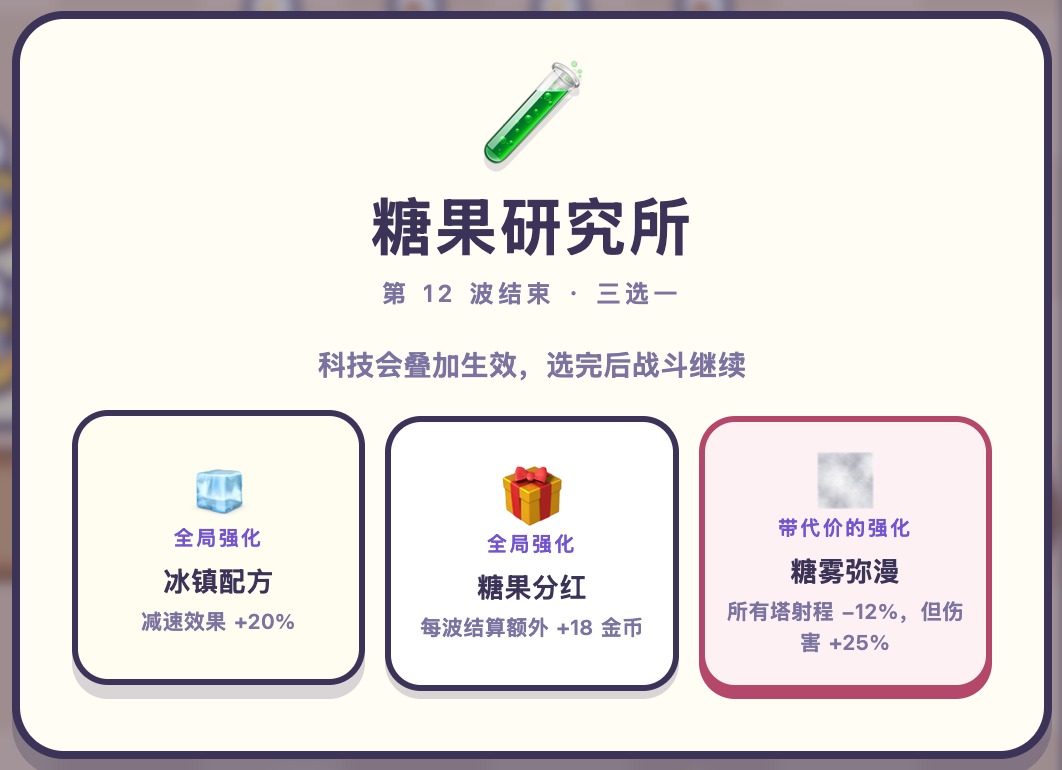
In actual experience, the enemy preview and the pick-one-of-three tech choices performed well. The system provides advance warnings about enemy types and threats—for example, flying enemies cannot be attacked by certain defensive towers, so players need to adjust their lineup in advance. Highland bonuses and path lengths on different maps also bring about real strategic differences.
The most obvious problem with the game appears in the mid-to-late stages. The later the waves, the less the player needs to perform effective actions, and the game gradually turns into an idle experience of repeatedly clicking the next wave. In addition, tower evolution requires multiple clicks, resulting in repetitive operations, and in the late game, the large number of defensive towers and enemies overlapping also makes the screen feel crowded.
This also reveals that automated simulation during development can prove that a game is completable, but it cannot necessarily determine whether the game is fun. Real product testing also needs to focus on how actual players understand the rules, how they make choices, and when they begin to lose the motivation to keep playing. Attention to the latter is precisely where human work matters most.
In this test, Hy4 took approximately 55 minutes in total to complete three rounds of development tasks, going through the full process from project scaffolding and core code development to architecture refactoring, automated testing, bug fixing, and online deployment.
Among these, automated testing ran throughout the entire process. The model not only wrote functional code but also identified numerical imbalances based on simulation results, checked interaction issues through a real browser, and then modified the code based on test feedback. Especially in the second and third rounds, some issues were not simple code errors but involved architecture design, system mechanics, and compatibility between different modules.
Round 1: 14 minutes 10 seconds, developed from scratch and launched.
At the very beginning, we only gave the prompt "make a game, from scratch to something that can be shipped." After determining the cartoon tower defense direction, the model broke the task down into project scaffolding, battle engine, visual interaction, testing, and deployment. It first developed independent battle logic, then completed Canvas rendering, and ultimately built it with HTML, CSS, and JavaScript, containing only 4 core files with no backend or external dependencies.
After the code was completed, the model wrote simulation scripts to test a full 20-wave match. The first test found that careful defense placement could clear the game at full health, while casual placement would fail at wave 3; further testing found that building only 11 towers was enough to clear the game easily, with more than 5,000 gold remaining. Based on this, the model adjusted enemy strength and the difficulty curve, completing balancing after multiple rounds of simulation. It then tested building, upgrading, settlement, and other functions through a real Chrome browser, fixed interface layout issues, and verified mobile adaptation, ultimately completing the launch.
Round 2: 18 minutes, refactoring the engine and adding complex systems.
In the second round, we raised new requirements and asked for increased game complexity. The model reorganized the battle engine, adding enemy traits and counters, branching tower evolution, tech choices, difficulty tiers, and endless mode, while simultaneously redoing the related interfaces.
Automated simulation found that after stacking tech and tower upgrades, 38 towers could clear hardcore mode at full health. The model then added a cap of 16 defense placement slots and adjusted the difficulty curve multiple times. Ultimately, it completed simulations of 9 different strategies; in hardcore mode, careful defense placement cleared the game with only 5 health points remaining, and in endless mode the defense held until wave 25 before falling.
Round 3: 23 minutes 18 seconds, refactoring the map system and adding a leaderboard.
In the third round, we further added a multi-map requirement. The model found that the original paths used fixed constants and could not be directly extended, so it refactored the map configuration system, adding highlands, speed-up zones, portals, and no-build areas, while simultaneously modifying the engine, interface, and style files, and adding map selection and a local leaderboard.
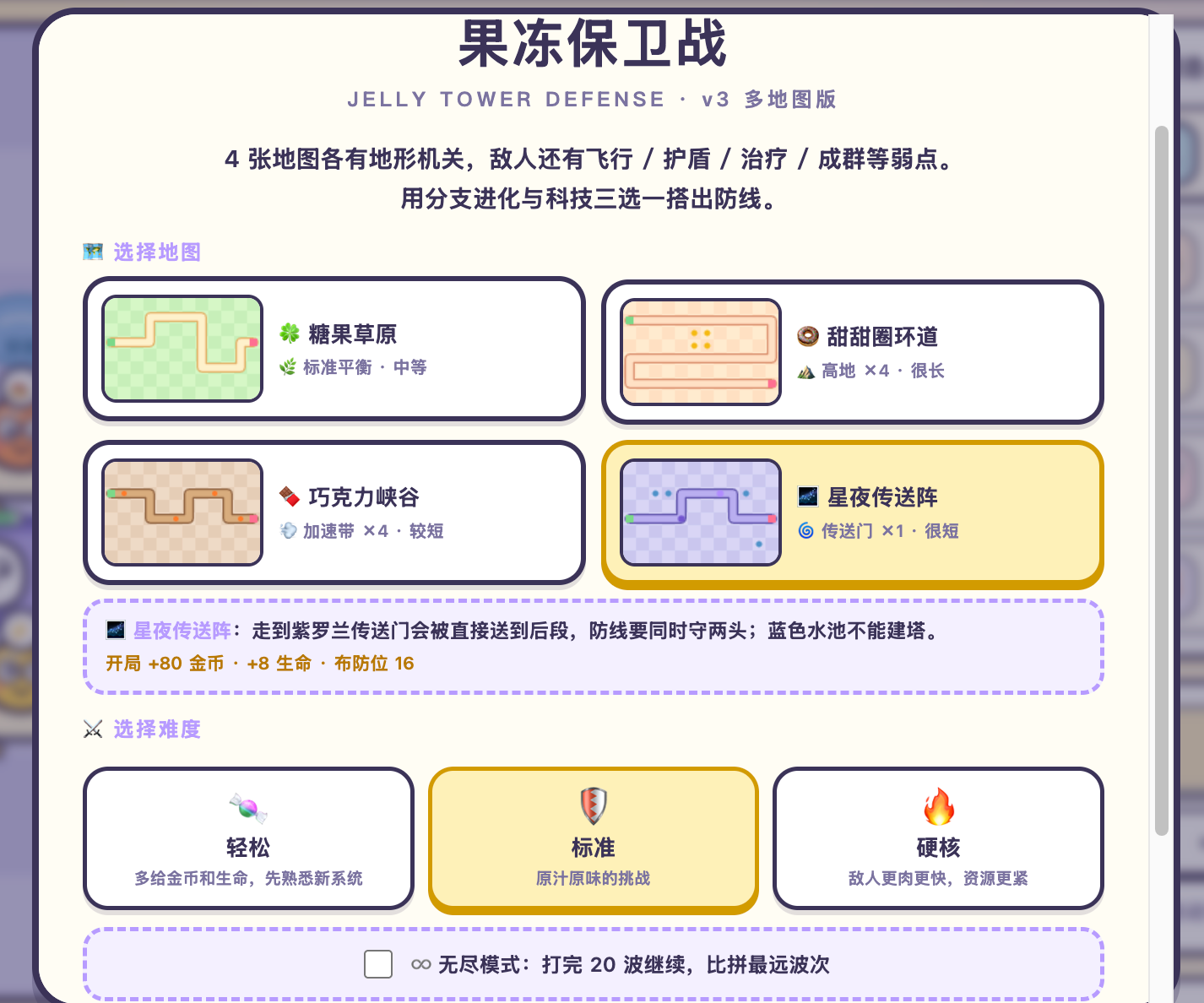
The model then rewrote the simulation script, testing all 20 waves map by map, and verified the terrain mechanics through dedicated assertions. The first test found that one map was too difficult; after the model adjusted the teleport distance and resource compensation, all four maps passed the test. Real Chrome testing then revealed that the map cards were crowding out the space for the start button. After fixing the popup layout, the leaderboard, map selection, and mobile interactions all passed regression testing.
Ultimately, after obtaining user authorization, the model released the third version and re-verified the online page and core functionality, confirming that the maps, leaderboard, and mobile experience all worked properly.
Visual Understanding: Strong Spatial Modeling and Logical Reasoning, with Room for Improvement in Detail Verification
Visual understanding is no longer simply about recognizing text and objects; more importantly, it is about whether a model can understand the spatial relationships between different elements and use them to complete complex reasoning. To this end, we designed two relatively difficult tests: one asks the model to complete dual-robot coordinated scheduling based on a map, and the other requires the model to cross-check two business documents, identifying discrepancies while strictly distinguishing known facts from unknown information.
The first test, "Dual-Robot Coordinated Scheduling," examines multi-agent path planning, time-step coordination, and collision detection.
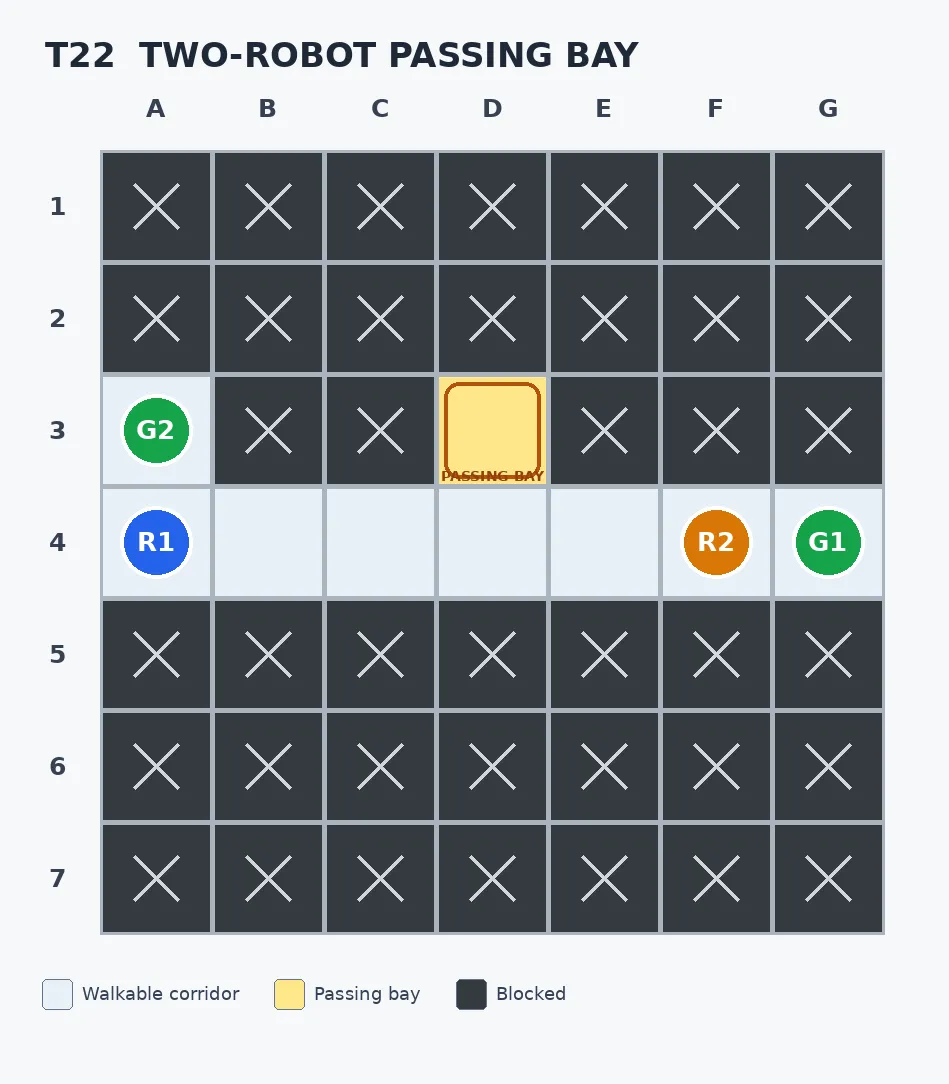
The prompt is as follows:
Map description: Light-colored passages are traversable, dark cross-hatched cells are not; D3 is the only passing/avoidance bay. Robot R1 starts from A4 with target G4; robot R2 starts from F4 with target A3. At each time step, a robot may move to an adjacent cell or wait in place; the two robots act synchronously.
- Provide the routes for R1 and R2 respectively, requiring both robots to reach their respective targets.
- Design a collision-free schedule, listing the positions of both robots at each time step starting from t=0, until both robots have reached their targets.
- Check whether there is any case of occupying the same cell at the same time (vertex conflict), or moving along the same edge in opposite directions and swapping positions at the same time (edge-swap conflict).
- Determine whether the D3 passing bay must be used; if so, explain its role in the scheduling and give the earliest completion time step.
In this test, the model successfully completed coordinated path planning for the two robots and passed all four dimensions: route planning, synchronous scheduling, collision detection, and optimality proof. The scheduling strategy the model ultimately produced is as follows:
Specific routes:
- R1: A4→B4→C4→D4→D3→D4→E4→F4→G4
- R2: F4→F4→F4→E4→D4→C4→B4→A4→A3 (waiting for the first two time steps)
Schedule:

In terms of conflict checking, the two robots are at different positions at every moment, with no vertex conflicts and no case of moving along the same edge in opposite directions and swapping at the same time; t=3→5 only completes the D4 handoff through D3, with no edge-swap conflict.
More noteworthy is that the model did not stop at finding a feasible route, but further proved the optimality of the solution.
The model pointed out that if the D3 passing bay is removed, the remaining traversable area becomes a one-dimensional corridor with no branches. Since the initial left-right order of the two robots is opposite to their final target positions, they cannot directly swap order without collision. Therefore, D3 is the necessary space for completing the dual-robot passing maneuver.
On this basis, the model further proved that the robot using the passing bay must additionally complete two moves, D4→D3→D4. Combined with the shortest path lengths of the two robots, the overall completion time is at least 8 steps. The scheduling scheme given by the model happens to complete at t=8, thus reaching the theoretical lower bound.
Of course, this test did not consider issues such as movement speed, turning radius, robot size, and safety clearance in real warehouse robot operations. But from the test results, the model can not only understand the spatial relationships in the map, but also find effective solutions according to different scheduling strategies and verify the results through mathematical reasoning.
For more of the derivation process, see:
https://docs.qq.com/aio/DYmpnanhHc2VZTmtR?p=osPtfrdY4cP6qzodxmdD5t
The second test involves business data and mainly examines the model's visual text recognition, cross-table information matching, and evidence-based reasoning capabilities.
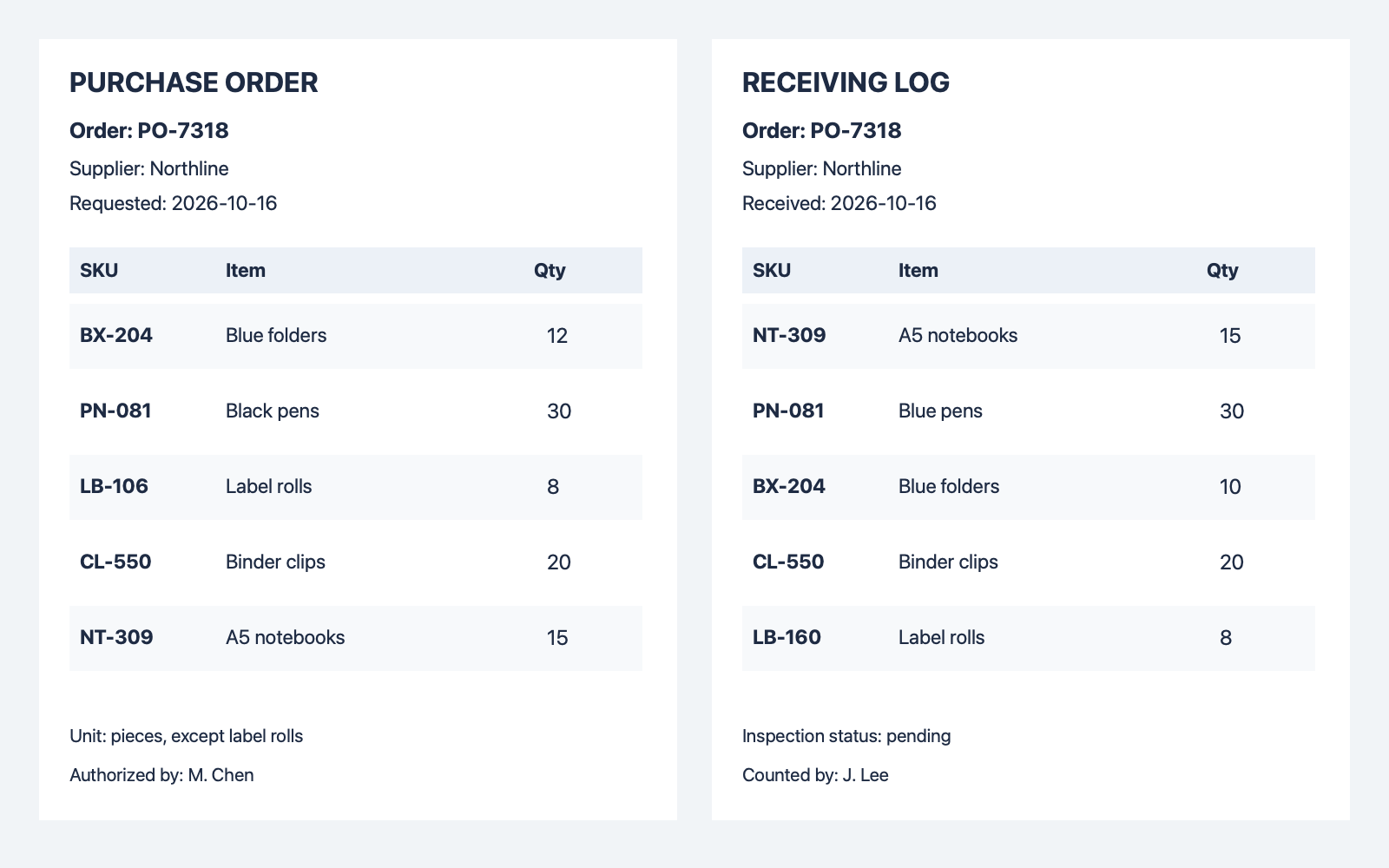
The prompt is as follows:
On the left is a purchase order, and on the right is a receiving record. Please complete the verification based only on the images:
- Check the item codes, names, and quantities, and list all inconsistencies that require review. For each item, cite the original content on both sides as evidence. Different row order does not count as an error.
- Which items have completely identical codes, names, and quantities?
- Can it be confirmed that the label rolls in the receiving record are the label rolls required by the purchase order? Explain the reasoning.
- Can it therefore be concluded that all goods have passed quality inspection? Cite the basis in the images. Please distinguish between "discrepancies exist in the records" and "it has been proven that the wrong goods were actually shipped," and do not infer facts not provided by the images.
Since the original answer is somewhat long, interested readers can take a look at the document:
https://docs.qq.com/aio/DYnN1dGtaYVRZdHVR?p=mJQ7NqZjby0Irw2DuSN7cE
In summary, the answer is: It can be confirmed that 2 items (CL-550, NT-309) are completely identical in code, name, and quantity; 3 items have record-level discrepancies and require review; the identity of the label rolls in the receiving record and the label rolls in the purchase order cannot be confirmed; the inspection status is pending, so it cannot be concluded that the goods have passed quality inspection.
As can be seen, the model recognized accurately, matched completely, and was able to distinguish between records and physical facts. It did not directly treat quantity discrepancies as the supplier shipping fewer goods, nor did it treat item name or code discrepancies as proven wrong shipments. For quality inspection, it read "Inspection status: pending" and correctly reached the conclusion.
However, the original answer also has some shortcomings. It described the three partially consistent records as "the other two items," which is a counting error; it also concluded that the receiving record was manually filled in based on "Counted by: J. Lee," without supporting image evidence. The counter's signature only indicates that the record noted the counting personnel, and cannot prove how the record was filled in. In addition, "the evidence in the image points to the opposite conclusion" is easily understood as an inspection failure, whereas "pending" only supports pending inspection or a pending result. In addition, after being organized into a Tencent Doc, the structure and readability were improved, and "the other two items" was corrected to "the other three items."
Overall, this test shows that the model performs well in text recognition in clear document images, cross-region matching, discovery of subtle differences, and evidence constraints. At the same time, however, the model still needs to reduce unsupported additional explanations, and there is still room for improvement in some subtle distinctions.
Planning Proposal: Takes Longer Than Hy3, but Better Results
Prompt: Suppose I plan to start a business as a tech media/integrated marketing studio. Please help me analyze the prospects of this studio in 2027, and what key preparations I need. Compare industry supply and demand horizontally, find the most likely differentiation breakthrough, then define strategy, define brand, define tactics, inventory the minimum resource requirements, and derive commercialization feasibility, etc. Ultimately deliver a 12-page PPT similar to a business plan. You decide the color style of the PPT; this is also one part that needs to be considered after the analysis.
Screenshot of Hy3 output proposal:


Screenshot of Hy4 output proposal:
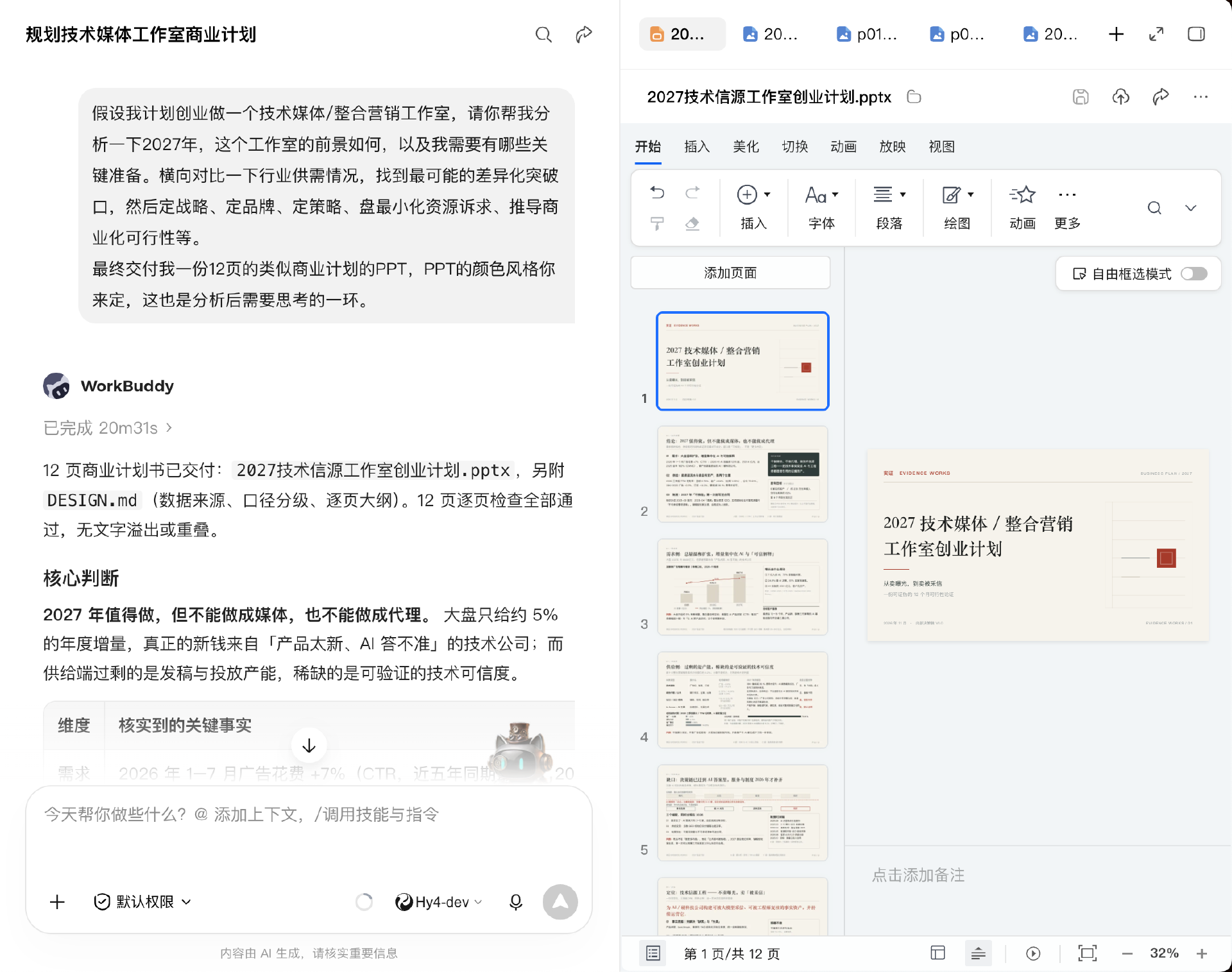
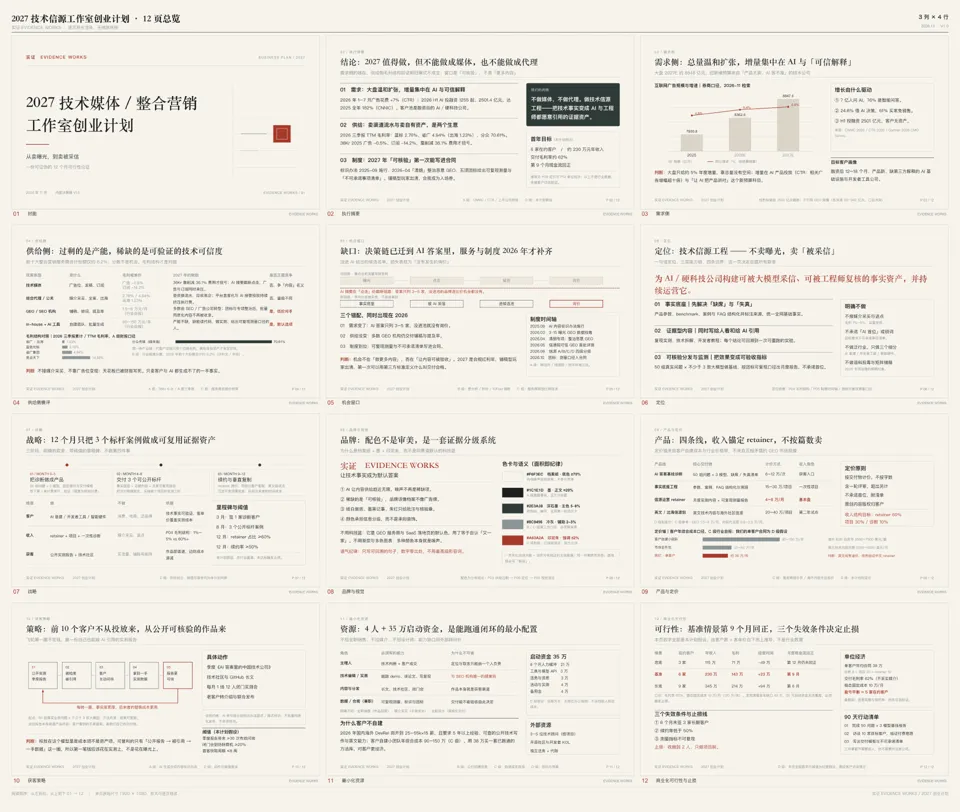
In terms of duration, 18m57s vs 20m31s, Hy4 took a bit longer. But judging from the outputs, the overall impression is that Hy4's improvement over Hy3 is still fairly obvious, and it is not just a change at the PPT visual level, but more reflected in the depth of business thinking.
The first is content logic. Hy3's proposal is relatively complete, basically covering industry trends, supply and demand analysis, brand positioning, product matrix, and financial estimates, but overall it still leans toward a conventional consulting planning approach. Many conclusions look correct, but actually lack further derivation. Hy4 clearly goes a step further. It not only analyzes market opportunities, but also begins to consider the competitive landscape, profit margins, and resource constraints, especially by clearly defining "what not to do," which the author considers very important. After all, for a startup, strategic trade-offs are often more valuable than comprehensive business planning.
The second is visual expression. Hy3 belongs to a relatively standard tech-business style, with good completeness, but average recognizability. Hy4's design is clearly more thoughtful, with an echo between brand positioning and visual language, and overall it looks more like a professional business research report. However, the information density is on the high side, and the font size on some pages is too small, so the actual presentation experience is inferior to Hy3.
Finally, commercial feasibility. Hy4 introduces more specific operating assumptions, scenario analysis, and stop-loss mechanisms, improving practicality. However, the financial estimates of both generations of proposals have points worth scrutinizing, and some industry data and business assumptions also need further verification.
Overall, Hy3 is better at making a business plan complete, while Hy4 begins to try to truly make business judgments, moving from "being able to write proposals" to "beginning to think about how to do business."
Poster Design: Hy4 Is More Imaginative
Prompt: Design a themed poster for an annual special feature of a tech media outlet. The theme is "When Machines Begin to Think / WHEN MACHINES THINK," with the subtitle "Reunderstanding the Boundary Between Intelligence and Humans." I hope it has strong visual impact, but do not use common AI elements such as robots, human brains, chips, or glowing circuits. Please think for yourself about how to transform this abstract theme into a creative visual work with metaphor. Do not make it into a common commercial tech promotional poster. Ratio 3, directly output the finished product.
Hy3 output poster:
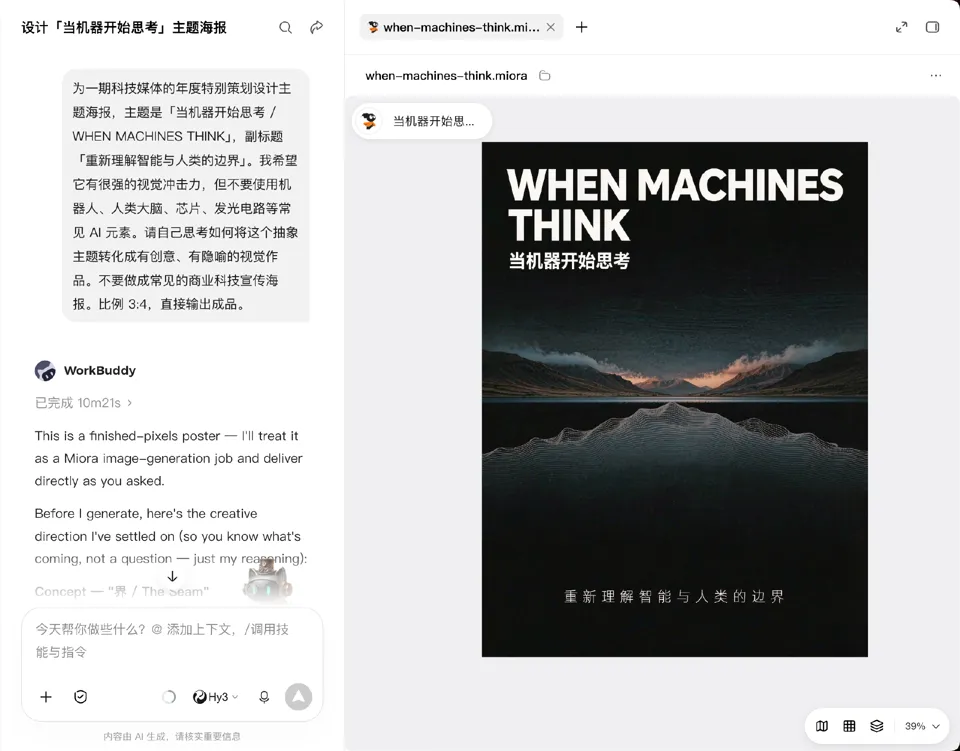
Design interpretation: Machines and humans are not separated by a wall; rather, they describe the same world with two grammars—that glowing seam is exactly where thought begins to flow and boundaries begin to dissolve.
Hy4 output poster:
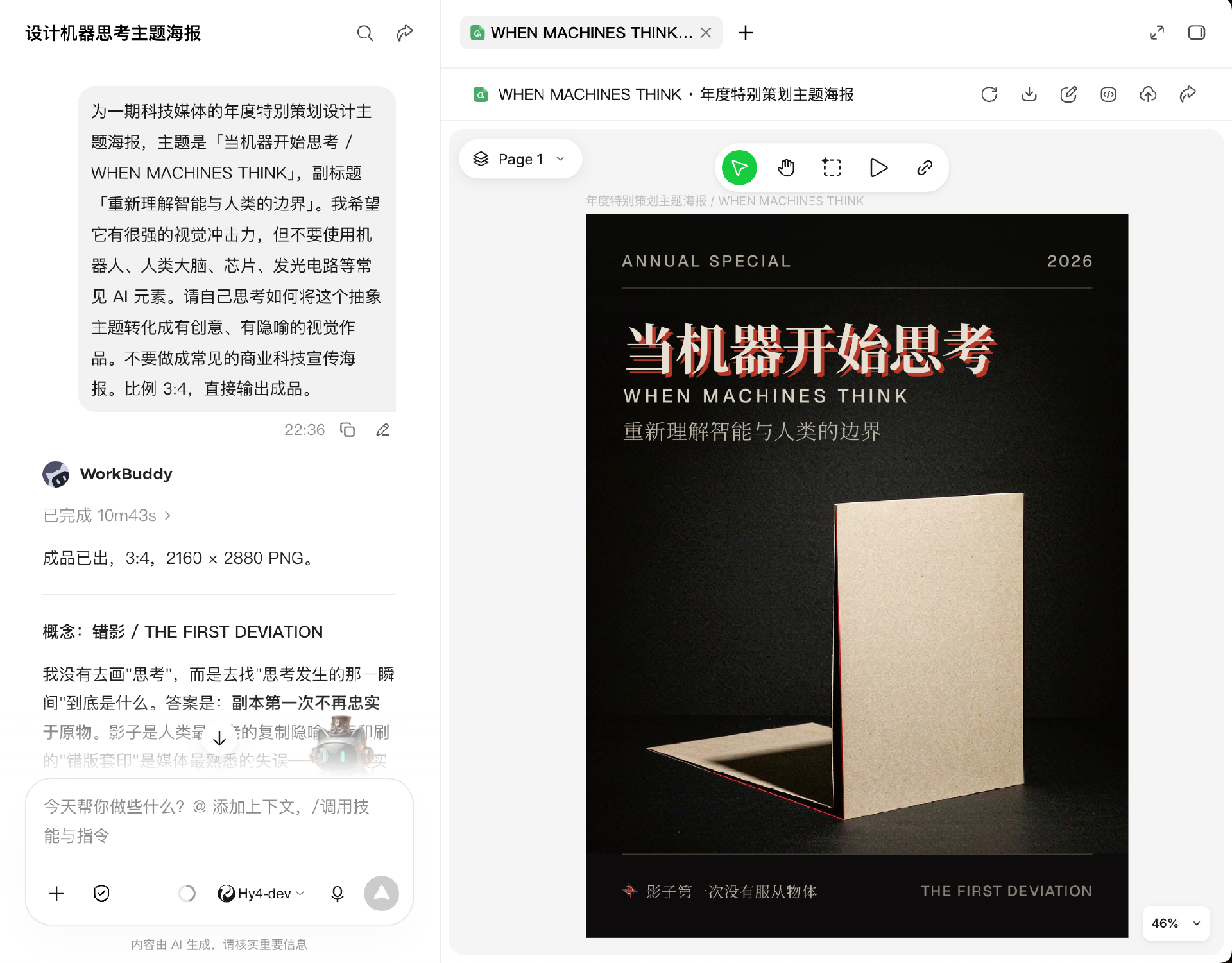
Design interpretation: The moment a machine begins to think is not when it becomes like a human, but when its shadow, for the first time, does not obey the object—the boundary between intelligence and humans lies in that offset thin vermilion line.
The time for the two was almost identical, and Hy4 still performed better in this round, but I think the visual completeness of both posters is actually quite good, with the difference more reflected in creativity and design thinking.
Hy3's advantage is relatively strong visual impact. The large-area black background and the combination of mountains and digital ripples make the overall composition and lighting treatment fairly mature, and it looks good at first glance. But the problem is also obvious: it still leans toward conventional tech visual expression, and the combination of elements is not particularly fresh. Although the design interpretation makes sense, this poster seems like it could also be used for other AI themes, lacking truly recognizable creativity.
Hy4 is clearly more imaginative. It does not rely on common tech elements, but instead expresses the abstract concept of machine thinking through the misalignment between objects and shadows. The overall color scheme is relatively restrained, and the misalignment treatment of the Chinese font also echoes the creativity, showing that it is trying to express the theme with a unified visual language. But there is also a problem: the visual presentation of the creativity is not precise enough. Without reading the design interpretation, it is actually hard to directly understand what that shadow is trying to express.
Overall, Hy3 is better at making the image beautiful, while Hy4 is thinking about how to give the design itself content. But I think Hy4 also has a rather interesting problem: sometimes the design interpretation is more exciting than the design itself. Being able to come up with a good creative concept is one thing; whether it can be accurately presented is another.
If there is no need to pursue the abstraction of design concepts, what difference would there be between Hy4 and Hy3 in output effects? The author again created new conversation windows and added a new poster prompt.
Prompt: Design a key visual poster for a technology conference aimed at global developers. The conference name is "BUILD DIFFERENT 2027", the theme is "Redefining Creation", the dates are "2027.09.18—19", and the location is "Hangzhou, China". This is not a traditional corporate launch event, but an annual gathering for creators, developers, and technology pioneers. The visual should be youthful, opinionated, and international in character, with the potential to be extended into a complete visual identity system for the conference. The color palette, typography, and graphic language are up to you. Aspect ratio 3, output the poster directly.
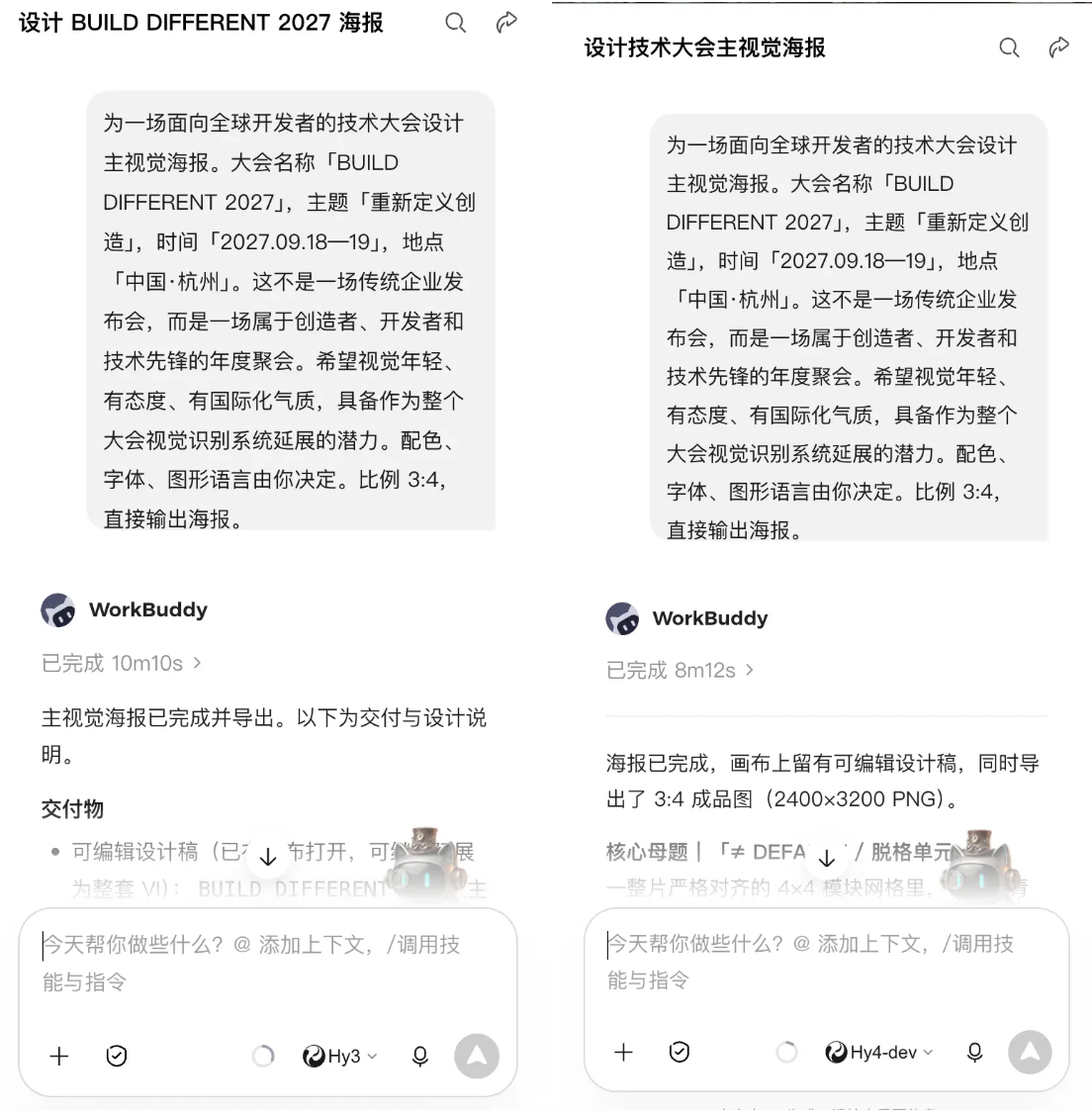
In terms of time, Hy4 took nearly 2 minutes less than Hy3 this time, but its detail design was better. What surprised me even more was that the similarity between the posters output by the two was over 90%, forming a sharp contrast with the previous pair, whose styles were completely unrelated.
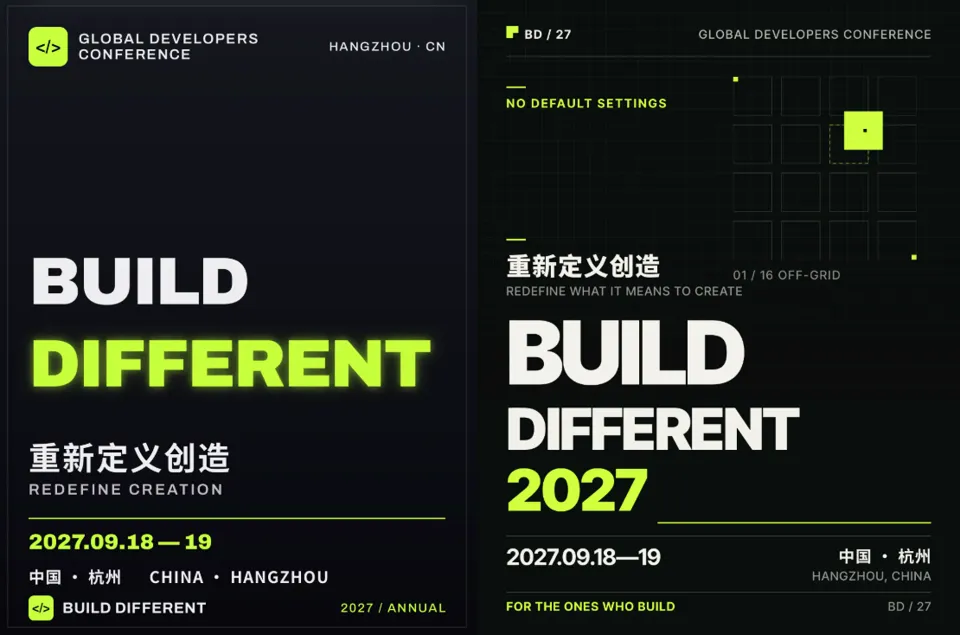
You can take a guess at which version of the model generated the left and right images respectively.
It shouldn't be hard to guess. The color schemes of the two posters are actually quite similar, both using a black background with fluorescent green, but the design quality of the final presentation differs considerably. Hy3's level of completion is not bad—the typography is eye-catching and the information is clear. It is a relatively safe technology conference poster, but overall it still follows common tech visual conventions. Especially in the treatment of the fluorescent text, there is somewhat of a template feel; swapping in another conference name would probably still work.
Hy4 clearly shows more design thinking. It does not simply pursue visual impact, but instead, around the theme of BUILD DIFFERENT, organizes grids, misalignment, auxiliary graphics, and typography into a relatively complete visual language. In particular, details such as "NO DEFAULT SETTINGS" and "OFF-GRID" both echo developer culture and reinforce the conference's personality.
Of course, this visual language itself is not particularly novel—it is almost the customary color scheme used in all kinds of developer posters today—but at least it shows that Hy4 is no longer satisfied with making a good-looking poster, and is instead considering the recognizability and extensibility of the entire brand key visual. From the perspective of brand design, this point outweighs everything else.
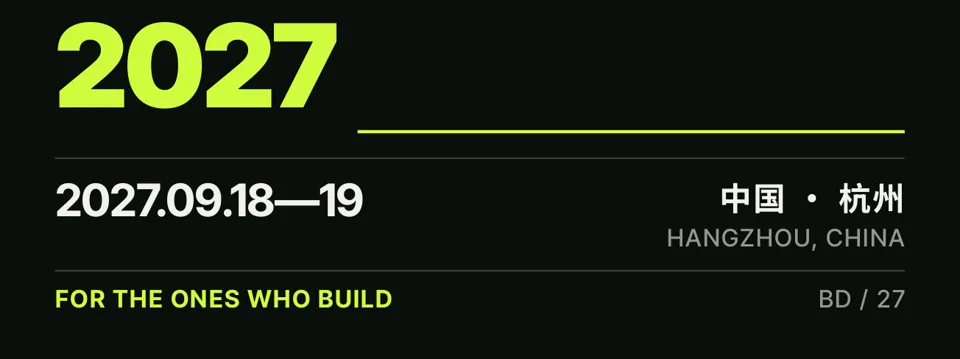
Another flaw is that in the poster output by Hy4, the fluorescent green horizontal line to the right of 2027 is too close to the divider line of the date and location area below, making it visually crowded and redundant, and the two lines do not form a clear hierarchical relationship.
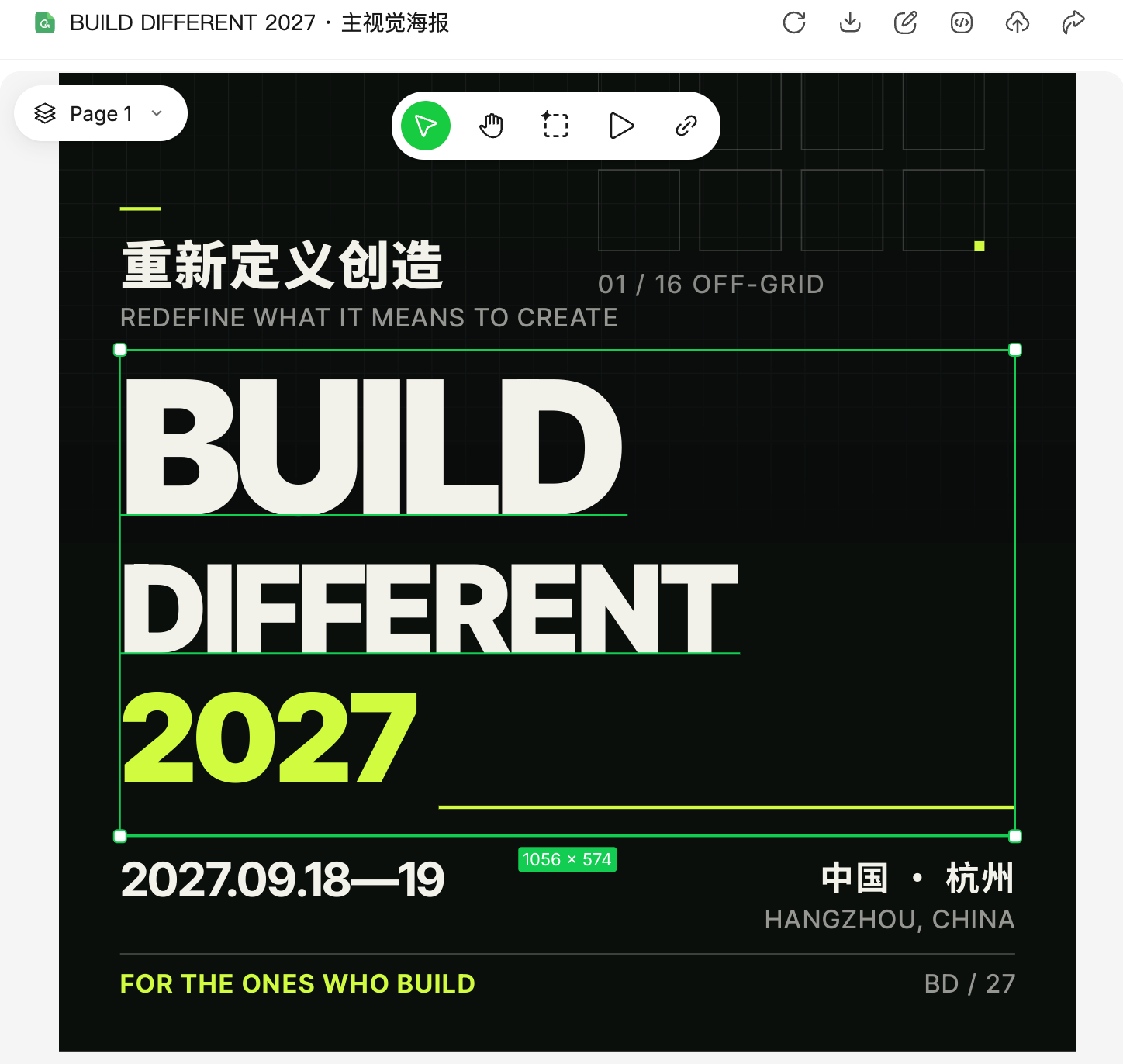
Fortunately, WorkBuddy image generation supports outputting "Ardot editable files", so these small flaws are easy to fix. For example, for this extra divider line, you can simply select the layer and press Delete. Text, lines, positions, and so on can also be adjusted online, so you do not need to repeatedly generate images for a small detail. After all, AI image generation is rarely perfect on the first try, and being able to modify things freely like a normal design file is clearly more in line with actual design work habits.
Summary
From these rounds of testing, the changes in Hy4 are not just improvements in generation speed or a single capability, but the beginning of a more complete task-handling ability.
Of course, these tests are still not enough to prove that the model is already capable of independently completing professional work. Automated game simulation cannot fully replace the real player experience, the data and assumptions in business plans still need manual verification, and creative ideas in visual design may not necessarily translate accurately into the final work.
But one relatively clear change is that the model is gradually shifting from mainly generating content and completing single tasks in the past to a way of working that can understand complex goals, break down tasks, call tools, check results, and continuously iterate.