Hacker News AI · 2026/10/6 20:57:25
OpenAI 推出 Decisions API:结构化决策提速 10 倍
OpenAI 发布处于公测阶段的 Decisions API,专门用于从文本和图像中获取概率、固定选项或评分等类型化答案。该接口比 Responses API 快约 10 倍,目前仅支持 gpt-6-luna 模型,旨在简化内容分类与请求路由逻辑。开发者可通过 Playground 体验,并需使用最新版本的 SDK 进行集成。
报道全文原始报道全文
本文目录15 个章节
The Decisions API evaluates text, images, or both and returns typed answers about 10x faster than the Responses API. Get the probability that a condition is true, a choice from a fixed set, or a score against a rubric. Use those answers to classify content, route requests, and prioritize work in your application.
Try the Decisions API in the Playground to experiment with questions and inputs before writing code.
The Decisions API is in public beta, and we expect to GA in the coming weeks. gpt-6-luna is the only model currently available. Use the dedicated POST /v1/decisions endpoint.
To run the SDK examples below, use these OpenAI SDK versions or later: Python 3.26.0, JavaScript 7.30.0, Go 3.73.0, Ruby 0.101.0, and Java 4.78.0. See OpenAI SDK for installation instructions.
How decisions work
A request has three parts:
| Field | Purpose |
|---|---|
model | The model that evaluates the request. Currently, only gpt-6-luna is supported. |
input | Shared evidence for the questions: a text string or user messages containing text and images. |
questions | What to evaluate, including each question’s type, instructions, and any allowed choices or score levels. |
The response contains an answers array. Give each question a unique name to identify its answer; the API echoes that name in the response.
Choose a question type
| Type | Use it to | Main result |
|---|---|---|
predicate | Check a condition, such as visible damage or passage relevance. | probability: an estimate from 0 to 1 that the condition is true. |
choice | Select one option, such as a department or content category. | choice: one of your supplied values. |
score | Rate an input against ordered levels, such as issue severity. | score: the probability-weighted average of the level indices. |
Both choice and score return probabilities over discrete options. Use choice for categories without an order, such as departments. Use score for ordered levels, such as severity; it takes the probability-weighted average of their numeric indices to produce a score that can fall between levels.
Use Decisions when your application needs one of these answer types. Use Structured Outputs with the Responses API when you need to generate an object that follows your own JSON schema, such as extracted fields or a written explanation, or function calling when you need a model to request a tool call with arguments.
Check an image for visible damage
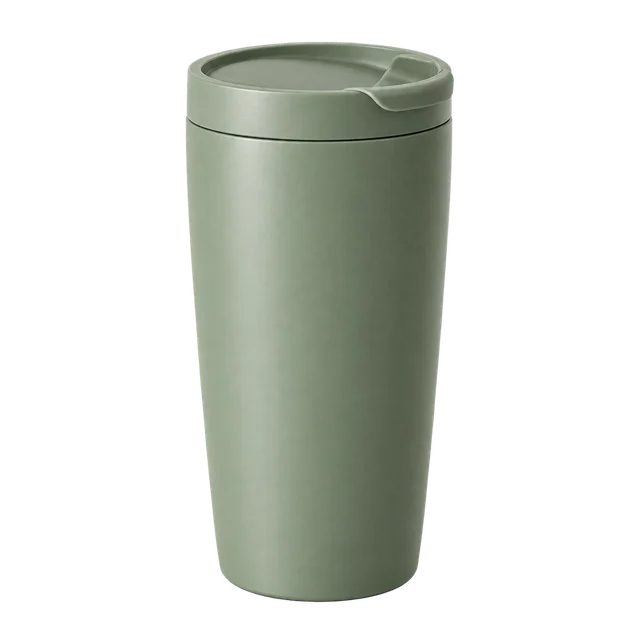
Use a predicate question to check a product photo for visible damage. This request combines the image with instructions to look for a crack, tear, or dent.
Does this item have a dent?

probability1.00
“
Please cancel my subscription before the next renewal.
Can I switch to annual billing and keep my current plan?
I don’t need this anymore. How do I stop future charges?
probability1.00Question
Can I return an item after 30 days?
Answer
Returns are accepted within 30 days of delivery. After that, items aren’t eligible for a refund.
Start a return from the Orders page in your account.
Standard shipping takes three to five business days.
probability0.90 Check an image for visible damagecurl
1
2
3
4
5
6
7
8
9
10
11
12
13
14
15
16
17
18
19
20
21
22IMAGE_BASE64="$(base64 < product.png | tr -d '\r\n')"

curl https://api.openai.com/v1/decisions \
  -H "Authorization: Bearer $OPENAI_API_KEY" \
  -H "Content-Type: application/json" \
  --data-binary @- <<JSON
{
  "model": "gpt-6-luna",
  "input": [{
    "role": "user",
    "content": [
      {"type": "input_text", "text": "Inspect the product in this photo."},
      {"type": "input_image", "image_url": "data:image/png;base64,$IMAGE_BASE64"}
    ]
  }],
  "questions": [{
    "type": "predicate",
    "name": "visible_damage",
    "instructions": "Does the product have visible damage, such as a crack, tear, or dent? Ignore shadows and damage to the packaging."
  }]
}
JSON1
2
3
4
5
6
7
8
9
10
11
12
13
14
15
16
17
18
19
20
21
22
23
24
25
26
27
28
29
30
31
32
33
34
35import { readFile } from "node:fs/promises";
import OpenAI from "openai";
const client = new OpenAI();
const imageBase64 = (await readFile("product.png")).toString("base64");
const decision = await client.decisions.create({
model: "gpt-6-luna",
input: [
{
role: "user",
content: [
{ type: "input_text", text: "Inspect the product in this photo." },
{
type: "input_image",
image_url: `data:image/png;base64,${imageBase64}`,
},
],
},
],
questions: [
{
type: "predicate",
name: "visible_damage",
instructions:
"Does the product have visible damage, such as a crack, tear, or dent? Ignore shadows and damage to the packaging.",
},
],
});
const answer = decision.answers[0];
if (answer.type === "refusal") {
console.log(`Refused: ${answer.name}`);
} else if (answer.type === "predicate") {
console.log(`Visible damage probability: ${answer.probability}`);
}1
2
3
4
5
6
7
8
9
10
11
12
13
14
15
16
17
18
19
20
21
22
23
24
25
26
27
28
29
30
31
32
33
34
35
36
37
38
39import base64
from pathlib import Path
from openai import OpenAI
client = OpenAI()
image_base64 = base64.b64encode(Path("product.png").read_bytes()).decode("ascii")
decision = client.decisions.create(
model="gpt-6-luna",
input=[
{
"role": "user",
"content": [
{"type": "input_text", "text": "Inspect the product in this photo."},
{
"type": "input_image",
"image_url": f"data:image/png;base64,{image_base64}",
},
],
}
],
questions=[
{
"type": "predicate",
"name": "visible_damage",
"instructions": (
"Does the product have visible damage, such as a crack, tear, or dent? "
"Ignore shadows and damage to the packaging."
),
}
],
)
answer = decision.answers[0]
if answer.type == "refusal":
print(f"Refused: {answer.name}")
elif answer.type == "predicate":
print(f"Visible damage probability: {answer.probability}")1
2
3
4
5
6
7
8
9
10
11
12
13
14
15
16
17
18
19
20
21
22
23
24
25
26
27
28
29
30
31
32
33
34
35
36
37
38
39
40
41
42
43
44
45
46
47
48
49
50package main
import (
"context"
"encoding/base64"
"fmt"
"os"
"github.com/openai/openai-go/v3"
)
func main() {
image, err := os.ReadFile("product.png")
if err != nil {
panic(err)
}
client := openai.NewClient()
decision, err := client.Decisions.New(context.Background(), openai.DecisionNewParams{
Model: "gpt-6-luna",
Input: openai.DecisionNewParamsInputUnion{
OfDecisionInputMessageArray: []openai.DecisionInputMessageParam{{
Content: openai.DecisionInputMessageContentUnionParam{
OfParts: []openai.DecisionInputPartUnionParam{
{OfInputText: &openai.DecisionInputTextParam{Text: "Inspect the product in this photo."}},
{OfInputImage: &openai.DecisionInputImageParam{
ImageURL: "data:image/png;base64," + base64.StdEncoding.EncodeToString(image),
}},
},
},
}},
},
Questions: []openai.DecisionNewParamsQuestionUnion{{
OfPredicate: &openai.DecisionNewParamsQuestionPredicate{
Name: openai.String("visible_damage"),
Instructions: "Does the product have visible damage, such as a crack, tear, or dent? Ignore shadows and damage to the packaging.",
},
}},
})
if err != nil {
panic(err)
}
switch answer := decision.Answers[0].AsAny().(type) {
case openai.DecisionAnswerPredicate:
fmt.Println(answer.Probability)
case openai.DecisionAnswerRefusal:
fmt.Printf("Decision refused for %s\n", answer.Name)
default:
panic("unexpected answer type")
}
}1
2
3
4
5
6
7
8
9
10
11
12
13
14
15
16
17
18
19
20
21
22
23
24
25
26
27
28
29
30
31
32
33
34
35
36
37
38
39
40
41
42
43
44
45
46
47import com.openai.models.decisions.DecisionCreateParams;
import com.openai.models.decisions.DecisionInputImage;
import com.openai.models.decisions.DecisionInputMessage;
import com.openai.models.decisions.DecisionInputPart;
import com.openai.models.decisions.DecisionInputText;
import java.nio.file.Files;
import java.nio.file.Path;
import java.util.Base64;
import java.util.List;
> *[注:本文篇幅超长,以上为核心前篇精译,后续内容保留原文呈现]*
String imageBase64 =
Base64.getEncoder().encodeToString(Files.readAllBytes(Path.of("product.png")));
var message =
DecisionInputMessage.builder()
.contentOfParts(
List.of(
DecisionInputPart.ofInputText(
DecisionInputText.builder()
.text("Inspect the product in this photo.")
.build()),
DecisionInputPart.ofInputImage(
DecisionInputImage.builder()
.imageUrl("data:image/png;base64," + imageBase64)
.build())))
.build();
var decision =
client
.decisions()
.create(
DecisionCreateParams.builder()
.model("gpt-6-luna")
.inputOfDecisionInputMessages(List.of(message))
.addQuestion(
DecisionCreateParams.Question.Predicate.builder()
.name("visible_damage")
.instructions(
"Does the product have visible damage, such as a crack, tear, or"
+ " dent? Ignore shadows and damage to the packaging.")
.build())
.build());
var answer = decision.answers().get(0);
if (answer.isRefusal()) {
System.out.println("Refused: " + answer.asRefusal().name().orElse("visible_damage"));
} else {
System.out.println(answer.asPredicate().probability());
}1
2
3
4
5
6
7
8
9
10
11
12
13
14
15
16
17
18
19
20
21
22
23
24
25
26
27
28
29
30
31
32
33
34
35
36
37
38
39
40
41require "base64"
require "openai"
image_base64 = Base64.strict_encode64(File.binread("product.png"))
client = OpenAI::Client.new
decision = client.decisions.create(
model: "gpt-6-luna",
input: [
{
role: :user,
content: [
{
type: :input_text,
text: "Inspect the product in this photo."
},
{
type: :input_image,
image_url: "data:image/png;base64,#{image_base64}"
}
]
}
],
questions: [
{
type: :predicate,
name: "visible_damage",
instructions: "Does the product have visible damage, such as a crack, tear, or dent? Ignore shadows and damage to the packaging."
}
]
)
answer = decision.answers.fetch(0)
case answer
when OpenAI::Models::Decision::Answer::Predicate
puts(answer.probability)
when OpenAI::Models::Decision::Answer::Refusal
warn("Decision refused for #{answer.name}")
else
raise("Unexpected answer type: #{answer.type}")
endAn illustrative response excerpt:
123456789{
  "answers": [
    {
      "type": "predicate",
      "name": "visible_damage",
      "probability": 0.92
    }
  ]
}
The probability is the model’s estimate that the condition is true. Use it to flag photos for review based on a threshold you choose.
Images must be inline base64 data URLs. Hosted HTTP or HTTPS image URLs and file_id inputs aren’t supported by this endpoint. Combine input_text and input_image parts in a user message to evaluate images together with instructions or other context.
Select from fixed options
A choice question selects one value from the options you provide. Use distinct values and descriptions that explain when each option applies.
Which lane should the car choose?
123Lane 10.03Lane 20.94Lane 30.03
“
I was charged twice for this month. Can you refund the extra payment?
Every CSV export fails with an error, even after I refresh the page.
I lost my phone and can’t get past two-step verification.
Billing1.00Technical support0.00Account access0.00NORTHLINE STUDIO № 1042
Invoice
Billed to Cedar & Co.
Design services1,200.00
Payment due October 21
NORTHLINE STUDIO № 6853
Payment received
Thank you for your purchase.
Design services1,200.00
Visa ending in 4242 · Approved
NORTHLINE STUDIO 01 / 03
Services agreement
Between Northline Studio and Cedar & Co.
The provider agrees to deliver design services for a term of twelve months.
Provider signatureClient signatureInvoice1.00Receipt0.00Contract0.00
This request routes a customer complaint:
Route a customer complaintcurl
1
2
3
4
5
6
7
8
9
10
11
12
13
14
15
16
17
18curl https://api.openai.com/v1/decisions \
  -H "Authorization: Bearer $OPENAI_API_KEY" \
  -H "Content-Type: application/json" \
  -d '{
    "model": "gpt-6-luna",
    "input": "I was charged twice for my order.",
    "questions": [{
      "type": "choice",
      "name": "department",
      "instructions": "Which department should handle this complaint?",
      "choices": [
        {"value": "billing", "description": "Payments, invoices, and refunds."},
        {"value": "technical", "description": "Problems using the product."},
        {"value": "shipping", "description": "Delivery and tracking."},
        {"value": "other", "description": "Requests outside these categories."}
      ]
    }]
}'1
2
3
4
5
6
7
8
9
10
11
12
13
14
15
16
17
18
19
20
21
22
23
24
25
26
27
28
29import OpenAI from "openai";
const client = new OpenAI();
const decision = await client.decisions.create({
model: "gpt-6-luna",
input: "I was charged twice for my order.",
questions: [
{
type: "choice",
name: "department",
instructions: "Which department should handle this complaint?",
choices: [
{ value: "billing", description: "Payments, invoices, and refunds." },
{ value: "technical", description: "Problems using the product." },
{ value: "shipping", description: "Delivery and tracking." },
{ value: "other", description: "Requests outside these categories." },
],
},
],
});
const answer = decision.answers[0];
if (answer.type === "refusal") {
console.log(`Refused: ${answer.name}`);
} else if (answer.type === "choice") {
console.log(
`Department: ${answer.choice} (confidence: ${answer.confidence})`
);
}1
2
3
4
5
6
7
8
9
10
11
12
13
14
15
16
17
18
19
20
21
22
23
24
25
26from openai import OpenAI
client = OpenAI()
decision = client.decisions.create(
model="gpt-6-luna",
input="I was charged twice for my order.",
questions=[
{
"type": "choice",
"name": "department",
"instructions": "Which department should handle this complaint?",
"choices": [
{"value": "billing", "description": "Payments, invoices, and refunds."},
{"value": "technical", "description": "Problems using the product."},
{"value": "shipping", "description": "Delivery and tracking."},
{"value": "other", "description": "Requests outside these categories."},
],
}
],
)
answer = decision.answers[0]
if answer.type == "refusal":
print(f"Refused: {answer.name}")
elif answer.type == "choice":
print(f"Department: {answer.choice} (confidence: {answer.confidence})")1
2
3
4
5
6
7
8
9
10
11
12
13
14
15
16
17
18
19
20
21
22
23
24
25
26
27
28
29
30
31
32
33
34
35
36
37
38
39
40
41
42
43
44
45
46
47
48
49
50
51package main
import (
"context"
"fmt"
"github.com/openai/openai-go/v3"
)
func main() {
client := openai.NewClient()
decision, err := client.Decisions.New(context.Background(), openai.DecisionNewParams{
Model: "gpt-6-luna",
Input: openai.DecisionNewParamsInputUnion{OfString: openai.String("I was charged twice for my order.")},
Questions: []openai.DecisionNewParamsQuestionUnion{{
OfChoice: &openai.DecisionNewParamsQuestionChoice{
Name: openai.String("department"),
Instructions: "Which department should handle this complaint?",
Choices: []openai.DecisionNewParamsQuestionChoiceChoice{
{
Value: openai.DecisionNewParamsQuestionChoiceChoiceValueUnion{OfString: openai.String("billing")},
Description: openai.String("Payments, invoices, and refunds."),
},
{
Value: openai.DecisionNewParamsQuestionChoiceChoiceValueUnion{OfString: openai.String("technical")},
Description: openai.String("Problems using the product."),
},
{
Value: openai.DecisionNewParamsQuestionChoiceChoiceValueUnion{OfString: openai.String("shipping")},
Description: openai.String("Delivery and tracking."),
},
{
Value: openai.DecisionNewParamsQuestionChoiceChoiceValueUnion{OfString: openai.String("other")},
Description: openai.String("Requests outside these categories."),
},
},
},
}},
})
if err != nil {
panic(err)
}
switch answer := decision.Answers[0].AsAny().(type) {
case openai.DecisionAnswerChoice:
fmt.Println(answer.Choice.AsString(), answer.Confidence, answer.Probabilities)
case openai.DecisionAnswerRefusal:
fmt.Printf("Decision refused for %s\n", answer.Name)
default:
panic("unexpected answer type")
}
}1
2
3
4
5
6
7
8
9
10
11
12
13
14
15
16
17
18
19
20
21
22
23
24
25
26
27
28
29
30
31
32
33
34
35
36
37
38
39
40
41
42
43
44
45
46
47import com.openai.models.decisions.DecisionChoiceOption;
import com.openai.models.decisions.DecisionCreateParams;
import com.openai.models.decisions.DecisionCreateParams.Question.Choice;
var decision =
client
.decisions()
.create(
DecisionCreateParams.builder()
.model("gpt-6-luna")
.input("I was charged twice for my order.")
.addQuestion(
Choice.builder()
.name("department")
.instructions("Which department should handle this complaint?")
.addChoice(
DecisionChoiceOption.builder()
.value("billing")
.description("Payments, invoices, and refunds.")
.build())
.addChoice(
DecisionChoiceOption.builder()
.value("technical")
.description("Problems using the product.")
.build())
.addChoice(
DecisionChoiceOption.builder()
.value("shipping")
.description("Delivery and tracking.")
.build())
.addChoice(
DecisionChoiceOption.builder()
.value("other")
.description("Requests outside these categories.")
.build())
.build())
.build());
var answer = decision.answers().get(0);
if (answer.isRefusal()) {
System.out.println("Refused: " + answer.asRefusal().name().orElse("department"));
} else {
var choice = answer.asChoice();
System.out.println(choice.choice().asString());
System.out.println(choice.probabilities());
System.out.println(choice.confidence());
}1
2
3
4
5
6
7
8
9
10
11
12
13
14
15
16
17
18
19
20
21
22
23
24
25
26
27
28
29
30
31
32
33
34
35
36
37
38
39
40
41
42require "openai"
client = OpenAI::Client.new
decision = client.decisions.create(
model: "gpt-6-luna",
input: "I was charged twice for my order.",
questions: [
{
type: :choice,
name: "department",
instructions: "Which department should handle this complaint?",
choices: [
{
value: "billing",
description: "Payments, invoices, and refunds."
},
{
value: "technical",
description: "Problems using the product."
},
{
value: "shipping",
description: "Delivery and tracking."
},
{
value: "other",
description: "Requests outside these categories."
}
]
}
]
)
answer = decision.answers.fetch(0)
case answer
when OpenAI::Models::Decision::Answer::Choice
puts(answer.choice, answer.confidence, answer.probabilities)
when OpenAI::Models::Decision::Answer::Refusal
warn("Decision refused for #{answer.name}")
else
raise("Unexpected answer type: #{answer.type}")
endAn illustrative response excerpt:
12345678910111213141516{
  "answers": [
    {
      "type": "choice",
      "name": "department",
      "choice": "billing",
      "probabilities": [
        { "value": "billing", "probability": 0.95 },
        { "value": "technical", "probability": 0.02 },
        { "value": "shipping", "probability": 0.01 },
        { "value": "other", "probability": 0.02 }
      ],
      "confidence": 0.93
    }
  ]
}
The answer’s choice field contains a supplied value, here "billing". It also includes a probabilities array for the options and a confidence field. See Interpret the answers for guidance on setting thresholds.
Include a fallback option such as "other" when your categories don’t cover every possible input. Your application can send that result to a general review queue.
Score against a rubric
A score question evaluates an input against ordered levels. Define the criteria for each level and arrange them from lowest to highest.
How damaged is this package?



0.00/ 20 · None1 · Minor2 · MajorNo damage1.00Minor damage0.00Major damage0.00
“
Could you add a dark mode? It would be helpful when I work at night.
CSV exports keep failing for one teammate. The rest of our team can still export.
Checkout is failing for every customer. We haven’t processed an order in 20 minutes.
0.00/ 20 · Low1 · Medium2 · HighLow1.00Medium0.00High0.00 Score an issue against severity levelscurl
1
2
3
4
5
6
7
8
9
10
11
12
13
14
15
16
17curl https://api.openai.com/v1/decisions \
  -H "Authorization: Bearer $OPENAI_API_KEY" \
  -H "Content-Type: application/json" \
  -d '{
    "model": "gpt-6-luna",
    "input": "Export fails in Safari but works in Chrome.",
    "questions": [{
      "type": "score",
      "name": "severity",
      "instructions": "How severe is this issue?",
      "levels": [
        {"label": "Cosmetic", "description": "Appearance only; no lost functionality."},
        {"label": "Workaround available", "description": "A task fails, but another way works."},
        {"label": "Fully blocked", "description": "A task fails with no workaround."}
      ]
    }]
}'1
2
3
4
5
6
7
8
9
10
11
12
13
14
15
16
17
18
19
20
21
22
23
24
25
26
27
28
29
30
31
32
33
34
35import OpenAI from "openai";
const client = new OpenAI();
const decision = await client.decisions.create({
model: "gpt-6-luna",
input: "Export fails in Safari but works in Chrome.",
questions: [
{
type: "score",
name: "severity",
instructions: "How severe is this issue?",
levels: [
{
label: "Cosmetic",
description: "Appearance only; no lost functionality.",
},
{
label: "Workaround available",
description: "A task fails, but another way works.",
},
{
label: "Fully blocked",
description: "A task fails with no workaround.",
},
],
},
],
});
const answer = decision.answers[0];
if (answer.type === "refusal") {
console.log(`Refused: ${answer.name}`);
} else if (answer.type === "score") {
console.log(`Severity: ${answer.score} (confidence: ${answer.confidence})`);
}1
2
3
4
5
6
7
8
9
10
11
12
13
14
15
16
17
18
19
20
21
22
23
24
25
26
27
28
29
30
31
32
33
34from openai import OpenAI
client = OpenAI()
decision = client.decisions.create(
model="gpt-6-luna",
input="Export fails in Safari but works in Chrome.",
questions=[
{
"type": "score",
"name": "severity",
"instructions": "How severe is this issue?",
"levels": [
{
"label": "Cosmetic",
"description": "Appearance only; no lost functionality.",
},
{
"label": "Workaround available",
"description": "A task fails, but another way works.",
},
{
"label": "Fully blocked",
"description": "A task fails with no workaround.",
},
],
}
],
)
answer = decision.answers[0]
if answer.type == "refusal":
print(f"Refused: {answer.name}")
elif answer.type == "score":
print(f"Severity: {answer.score} (confidence: {answer.confidence})")1
2
3
4
5
6
7
8
9
10
11
12
13
14
15
16
17
18
19
20
21
22
23
24
25
26
27
28
29
30
31
32
33
34
35
36
37
38package main
import (
"context"
"fmt"
"github.com/openai/openai-go/v3"
)
func main() {
client := openai.NewClient()
decision, err := client.Decisions.New(context.Background(), openai.DecisionNewParams{
Model: "gpt-6-luna",
Input: openai.DecisionNewParamsInputUnion{OfString: openai.String("Export fails in Safari but works in Chrome.")},
Questions: []openai.DecisionNewParamsQuestionUnion{{
OfScore: &openai.DecisionNewParamsQuestionScore{
Name: openai.String("severity"),
Instructions: "How severe is this issue?",
Levels: []openai.DecisionNewParamsQuestionScoreLevel{
{Label: "Cosmetic", Description: openai.String("Appearance only; no lost functionality.")},
{Label: "Workaround available", Description: openai.String("A task fails, but another way works.")},
{Label: "Fully blocked", Description: openai.String("A task fails with no workaround.")},
},
},
}},
})
if err != nil {
panic(err)
}
switch answer := decision.Answers[0].AsAny().(type) {
case openai.DecisionAnswerScore:
fmt.Println(answer.Score, answer.Confidence, answer.Probabilities)
case openai.DecisionAnswerRefusal:
fmt.Printf("Decision refused for %s\n", answer.Name)
default:
panic("unexpected answer type")
}
}1
2
3
4
5
6
7
8
9
10
11
12
13
14
15
16
17
18
19
20
21
22
23
24
25
26
27
28
29
30
31
32
33
34
35
36
37
38
39
40
41import com.openai.models.decisions.DecisionCreateParams;
import com.openai.models.decisions.DecisionCreateParams.Question.Score;
var decision =
client
.decisions()
.create(
DecisionCreateParams.builder()
.model("gpt-6-luna")
.input("Export fails in Safari but works in Chrome.")
.addQuestion(
Score.builder()
.name("severity")
.instructions("How severe is this issue?")
.addLevel(
Score.Level.builder()
.label("Cosmetic")
.description("Appearance only; no lost functionality.")
.build())
.addLevel(
Score.Level.builder()
.label("Workaround available")
.description("A task fails, but another way works.")
.build())
.addLevel(
Score.Level.builder()
.label("Fully blocked")
.description("A task fails with no workaround.")
.build())
.build())
.build());
var answer = decision.answers().get(0);
if (answer.isRefusal()) {
System.out.println("Refused: " + answer.asRefusal().name().orElse("severity"));
} else {
var score = answer.asScore();
System.out.println(score.score());
System.out.println(score.probabilities());
System.out.println(score.confidence());
}1
2
3
4
5
6
7
8
9
10
11
12
13
14
15
16
17
18
19
20
21
22
23
24
25
26
27
28
29
30
31
32
33
34
35
36
37
38require "openai"
client = OpenAI::Client.new
decision = client.decisions.create(
model: "gpt-6-luna",
input: "Export fails in Safari but works in Chrome.",
questions: [
{
type: :score,
name: "severity",
instructions: "How severe is this issue?",
levels: [
{
label: "Cosmetic",
description: "Appearance only; no lost functionality."
},
{
label: "Workaround available",
description: "A task fails, but another way works."
},
{
label: "Fully blocked",
description: "A task fails with no workaround."
}
]
}
]
)
answer = decision.answers.fetch(0)
case answer
when OpenAI::Models::Decision::Answer::Score
puts(answer.score, answer.confidence, answer.probabilities)
when OpenAI::Models::Decision::Answer::Refusal
warn("Decision refused for #{answer.name}")
else
raise("Unexpected answer type: #{answer.type}")
endAn illustrative response excerpt:
123456789101112131415{
  "answers": [
    {
      "type": "score",
      "name": "severity",
      "score": 1.1,
      "probabilities": [
        { "value": 0, "label": "Cosmetic", "probability": 0.1 },
        { "value": 1, "label": "Workaround available", "probability": 0.7 },
        { "value": 2, "label": "Fully blocked", "probability": 0.2 }
      ],
      "confidence": 0.55
    }
  ]
}
Level indices start at 0. Here, 0 means cosmetic, 1 means a workaround is available, and 2 means fully blocked. The returned score is a probability-weighted average, so it can fall between levels. In this example, probabilities of 0.1, 0.7, and 0.2 produce a score of 1.1.
The answer also includes confidence and the per-level probabilities. The score summarizes the distribution across levels. Use choice to select a single category.
Ask multiple questions
Put independent questions in the same questions array to evaluate shared input. For a product photo, you could check for damage and classify the product category in one request. Each question can use a different type.
For decisions that depend on an earlier answer, send separate requests. For example, check for damage first, then use the result to decide whether to request a repair category.
Write questions around observable criteria. Separate different concerns into different questions, give choices distinct meanings, and define score levels so that adjacent levels have distinct criteria.
Interpret the answers
Predicates return the estimated probability that a condition is true. Choice and score answers return a probability distribution and a separate confidence field.
Use labeled examples from your application to set thresholds for routing, filtering, or review. Choose thresholds based on the cost of false positives and false negatives.
Pricing and availability
With gpt-6-luna, input costs $0.10 per 1M tokens. You pay only for input tokens: there are no cache-read, cache-write, or output-token charges.
Regional processing premiums and long-context input pricing multipliers apply. These rates apply to /v1/decisions; other requests using gpt-6-luna follow the applicable model and processing-tier pricing.
The Decisions API supports Zero Data Retention (ZDR) and HIPAA use for eligible customers. Data residency and regional processing are supported in the United States and Europe (EEA + Switzerland). See data controls for eligibility requirements, required agreements, and limitations.
Add voice control
Use client delegation with the Live API to choose actions from voice requests and report their results to the user.